- ‘OncoStudio’ Demonstrates Clinical Innovation Value through Adoption at Chung-Ang University Gwangmyeong Hospital
- Oncosoft Builds Partnerships in Singapore and Malaysia and Begins Local Clinical Validation
- Oncosoft Selected as Lead Organization for the ‘2026 Medical AI Testbed Support Project’
- Oncosoft–Samsung Medical Center Joint Research Paper Accepted at ‘MICCAI 2026’
- ‘OncoStudio’ Proves Effectiveness of Auto-Segmentation Technology Based on CT-Only for Prostate Cancer
- [Upcoming Events]
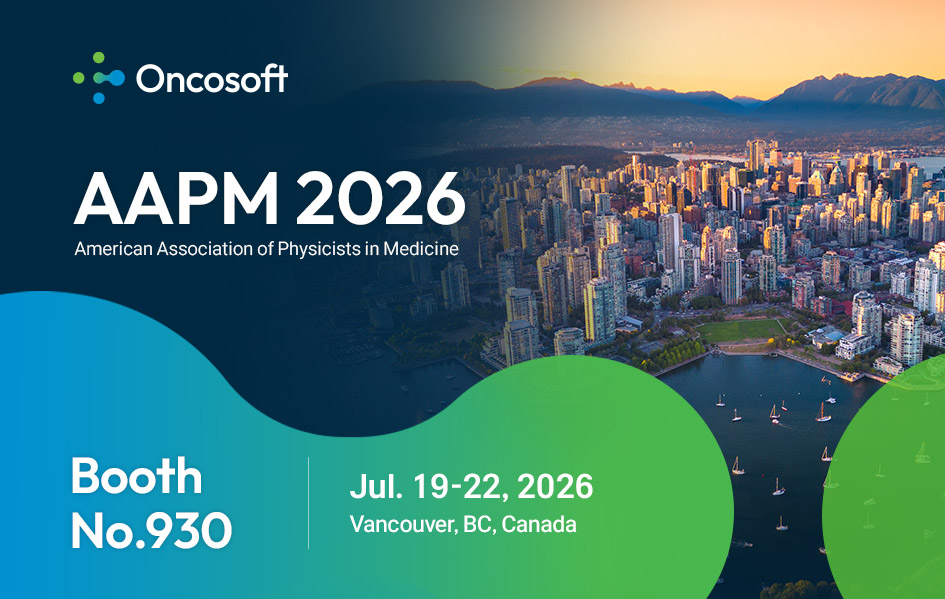
- AAPM 2026
- Satellite Meeting of the Japanese Society for Radiation Oncology (JASTRO)
- [Column]
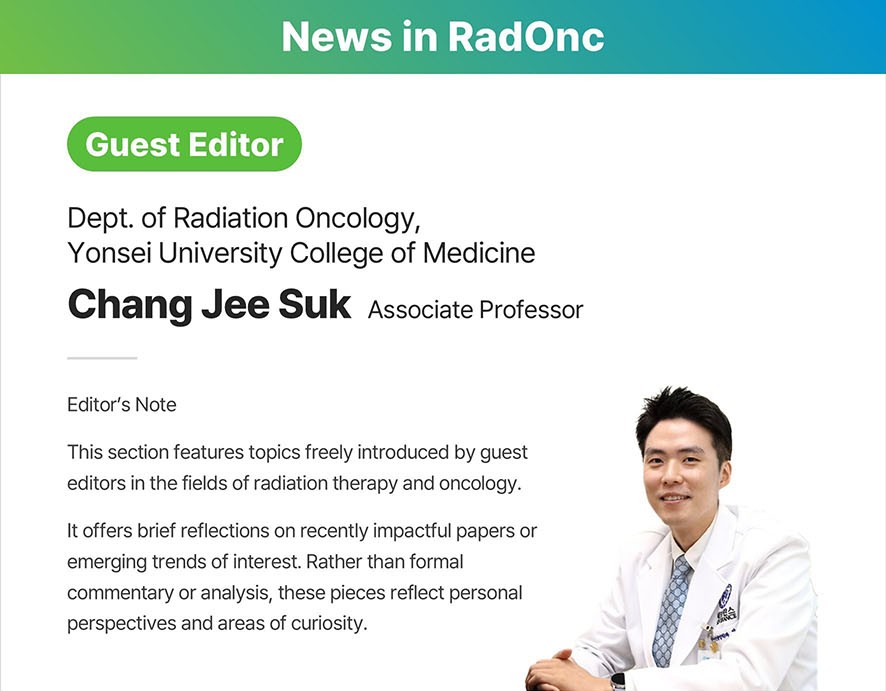
- News in RadOnc: Respiratory Motion Management Series ① - Breath-Hold
and the Power of Oxygen Supplementation
- CEO Insight: Reflections on PTCOG 2026
|
|
|
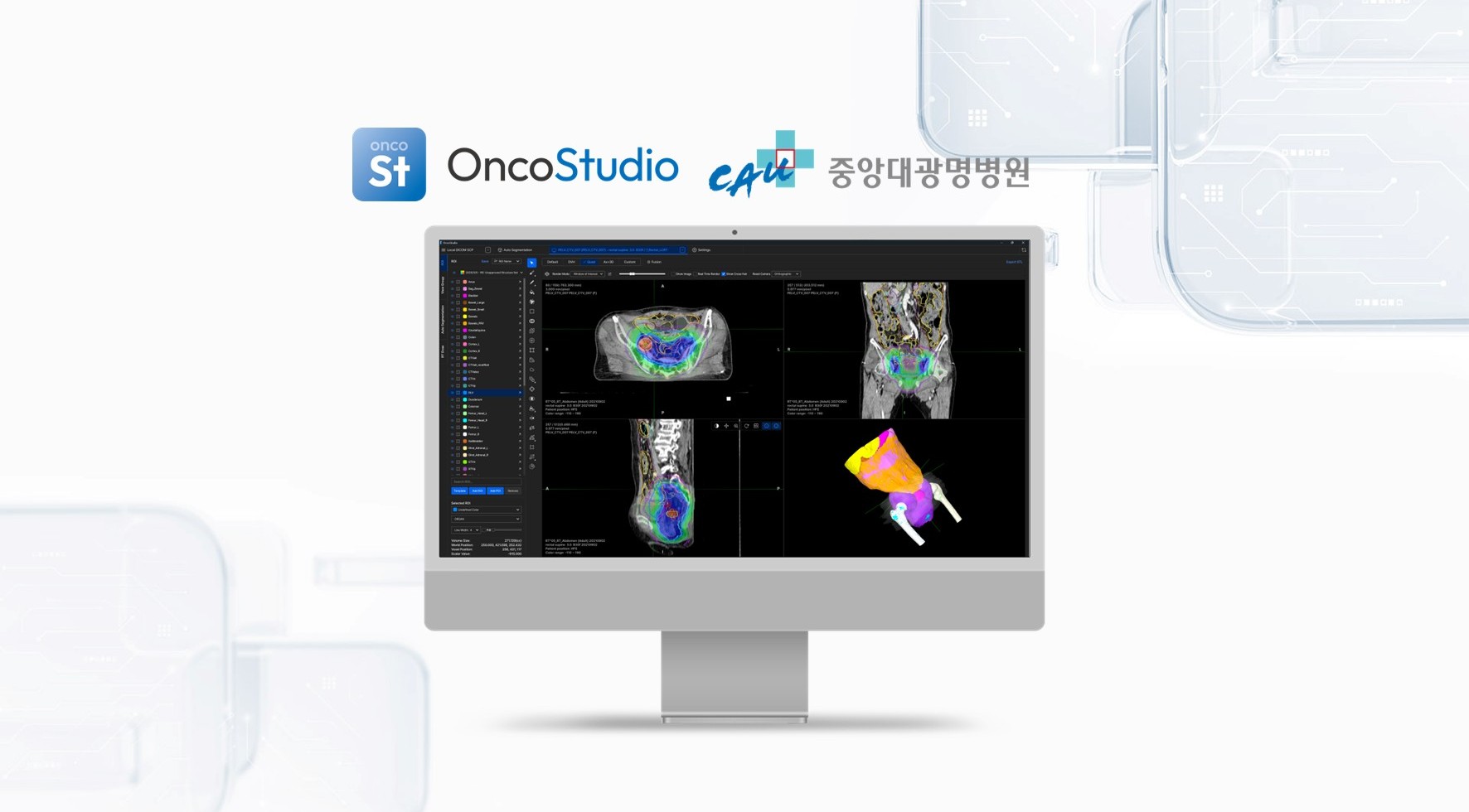
❶ Oncosoft’s ‘OncoStudio’ Demonstrates Clinical Innovation Value through Adoption at Chung-Ang University Gwangmyeong Hospital |
|
|
Oncosoft’s AI-based auto-contouring solution, OncoStudio, has been introduced to the Department of Radiation Oncology at Chung-Ang University Gwangmyeong Hospital, demonstrating its efficiency and accuracy in actual clinical practice. Developed based on high-quality clinical data reflecting a wide range of body types and complex anatomical variations, the solution reduces contouring tasks that previously required several hours to just tens of seconds and has shortened the overall treatment planning process by more than 80%.
In particular, OncoStudio supports stable organ segmentation not only on standard CT images but also on challenging contrast-enhanced CT images. It also provides detailed lymph node region segmentation by treatment site, achieving an average Dice score of over 0.90 in accuracy assessments for major organs at risk.
Medical staff and medical physics experts on site have noted that OncoStudio helps reduce variability in contouring, improve consistency in treatment planning, and ultimately contribute to enhancing the quality of patient-specific precision treatment. This adoption is expected to serve as an important step toward establishing Oncosoft’s solution as a reliable clinical solution in major medical institutions in Korea. |
|
|
❷ Oncosoft Builds Partnerships in Singapore and Malaysia and Begins Local Clinical Validation |
|
|
As competition in the global medical AI market continues to intensify, Oncosoft conducted on-site visits to Singapore and Malaysia from June 15 to 16 to better understand actual market needs and establish a strategic foundation for business expansion.
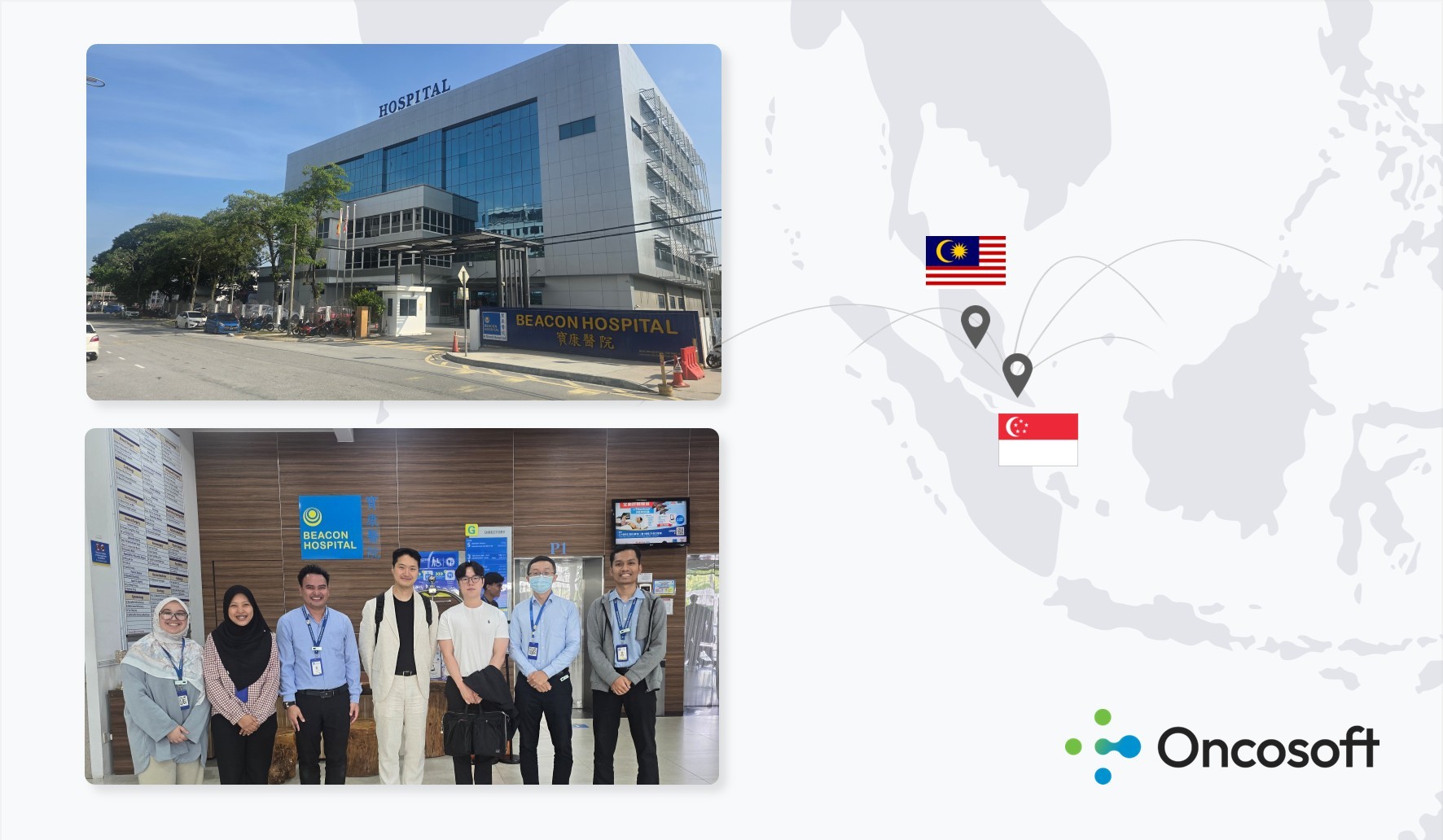
A key outcome of this visit was the launch of a three-month clinical proof of concept (PoC) for OncoStudio, Oncosoft’s AI auto-contouring solution, in collaboration with Beacon Hospital in Malaysia. Local medical staff presented key evaluation criteria that went beyond simple ease of use, including a significant reduction in retouching and review time, as well as improved consistency in treatment outcomes. OncoStudio has entered clinical validation based on these practical clinical requirements, and additional demo installation schedules with major local hospitals have also been discussed, laying the groundwork for future global clinical references.
From a business expansion perspective, Oncosoft also developed a diversified distribution roadmap tailored to the characteristics of each market. In Malaysia, Oncosoft reached a verbal agreement to proceed with a distribution agreement (DA) with a major listed local company that has a strong distribution network and engineering infrastructure across the country, strengthening its business competitiveness. In Singapore, Oncosoft closely reviewed the possibility of establishing a direct distribution structure from headquarters, while also exploring a business diversification model for its veterinary AI solution, OncoVet, with local experts. Oncosoft will continue follow-up meetings and detailed market validation to further strengthen its global partnerships across Southeast Asia. |
|
|
❸ Oncosoft Selected as Lead Organization for the ‘2026 Medical AI Testbed Support Project’ to Advance Clinical Validation in Kidney Transplantation |
|
|
Oncosoft has been selected as the lead organization for the 2026 Medical AI Testbed Support Project, organized by the Ministry of Health and Welfare, and is currently preparing for the project agreement. This project aims to apply the precise automatic segmentation technology of OncoStudio, Oncosoft’s core solution that has completed MFDS approval, beyond cancer treatment and into the field of kidney donor evaluation for transplantation.
Oncosoft will oversee the project as the lead organization, while the Department of Transplantation and Vascular Surgery at Seoul National University Hospital will participate as a consortium partner. Supported by government funding and additional project resources, the project is scheduled to run for approximately one year and six months from June 2026.
Through this project, Oncosoft will validate the kidney auto-segmentation performance of OncoStudio in an actual clinical environment at Seoul National University Hospital and secure Real-World Evidence (RWE). This is expected to help establish a foundation for expanding the scope of application through future New Health Technology Assessment. The selection of this project is expected to become an important milestone, demonstrating the potential of Oncosoft’s AI technology to expand beyond radiation oncology into various specialized medical fields, including transplantation medicine. |
|
|
❹ Oncosoft–Samsung Medical Center Joint Research Paper Accepted at ‘MICCAI 2026’, One of the World’s Most Prestigious Conferences |
|
|
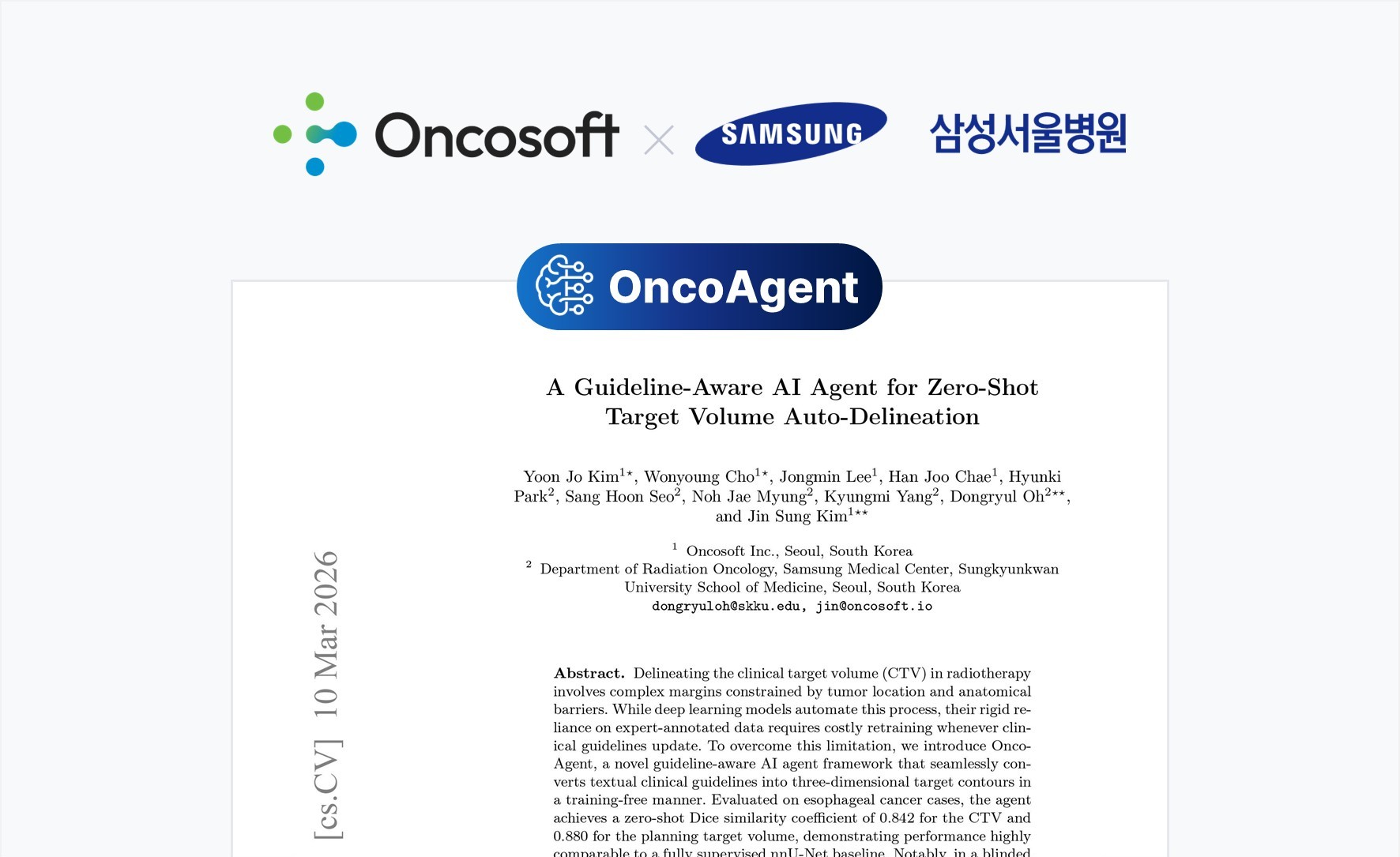
An artificial intelligence (AI) research paper jointly conducted by Oncosoft and the Department of Radiation Oncology at Samsung Medical Center has been officially accepted at MICCAI 2026, one of the leading international conferences in the field of medical image computing. This is a significant research achievement made amid fierce competition, with 1,211 papers selected out of 4,601 submissions worldwide this year.
The accepted paper proposes OncoAgent, a zero-shot-based framework that addresses the limitations of conventional deep learning methods heavily reliant on large-scale training data. OncoAgent interprets clinical guideline documents written in natural language without separate training processes and automatically converts them into 3D target contours. Even if guidelines are revised, the new protocol can be instantly reflected simply by replacing the document, significantly reducing the cost of reconstructing data while supporting clinical reliability.
Clinical evaluation results showed that OncoAgent demonstrated contouring performance comparable to existing state-of-the-art supervised learning models trained on large-scale data. In particular, in a blind evaluation involving radiation oncology specialists, it showed strong preference across key items, including guideline compliance and clinical acceptability. Its scalability to new sites, such as prostate cancer, was also confirmed. This achievement highlights the international recognition of Oncosoft’s proprietary AI core technology, and we plan to link this innovative technology to further enhance the competitiveness of our flagship product, OncoStudio.
Detailed information about this research can be found via the link below. |
|
|
❺ Oncosoft’s ‘OncoStudio’ Proves Effectiveness of Auto-Segmentation Technology Based on CT-Only for Prostate Cancer |
|
|
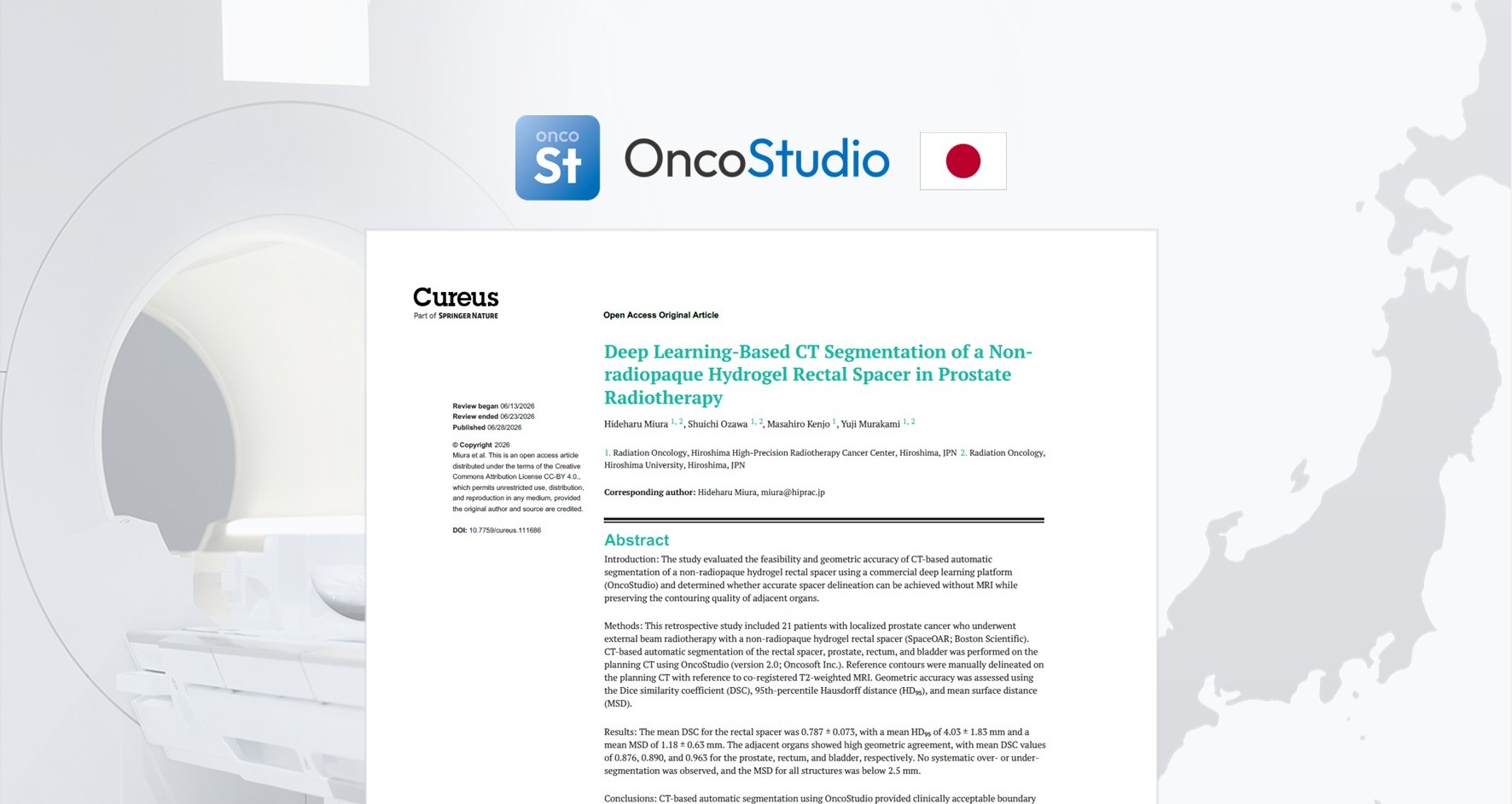
A research team from the Hiroshima High-Precision Radiotherapy Center and Hiroshima University in Japan published a clinical research achievement utilizing our AI solution, OncoStudio, in the international academic journal Cureus, demonstrating the practical effectiveness of the technology. Hydrogel rectal spacers, known as SpaceOAR, are inserted to minimize rectal side effects during prostate cancer radiation therapy. However, due to their non-radiopaque nature, they are difficult to distinguish from surrounding tissues on CT images. Consequently, conventional workflows required expensive additional MRI scans and the time-consuming process of CT-MRI image fusion, which could introduce subtle registration errors, a known limitation for precision treatment.
The research team applied OncoStudio’s auto-segmentation technology using only treatment planning CT images, without requiring additional MRI scans for the segmentation process. The validation results demonstrated excellent boundary accuracy, with a Mean Surface Distance (MSD) of 1.18 mm in the spacer region, confirming its performance in accurately tracking the contours of structures that are difficult to identify on CT images. In particular, it showed consistent contouring performance for adjacent organs at risk, such as the prostate, rectum, and bladder, supporting clinical reliability. This presents the clinical value of a CT-only workflow that may reduce patients’ economic burden and waiting time while reducing potential image registration errors. As the utilization of SpaceOAR is expanding in domestic clinical settings as well, we hope OncoStudio will provide practical help to medical staff and patients, and we ask for your continued interest.
Detailed information about this research can be found via the link below. |
|
|
❶ Participation in ‘AAPM 2026’, North America’s Largest Medical Physics Meeting |
|
|
Oncosoft will participate in AAPM 2026, the American Association of Physicists in Medicine Annual Meeting, which will be held in Vancouver, Canada, from July 19 to 22. AAPM is a major event where medical physics experts and global healthcare companies from around the world gather to share the latest paradigms in radiation therapy and medical imaging technology.
Through this participation, Oncosoft intends to actively showcase the advanced technology of our AI auto-contouring solution to the North American market and the global medical community. During the conference, we plan to hold meetings with world-class research institutions and local potential partners, focusing on securing practical opportunities for global market expansion and expanding technical collaboration in diverse areas. |
|
|
❷ Strengthening Local Partnerships by Attending a Satellite Meeting of the Japanese Society for Radiation Oncology (JASTRO) |
|
|
We will attend a satellite meeting of the Japanese Society for Radiation Oncology (JASTRO) held in Akihabara, Japan, from July 24 to 25.
The Japanese medical market, which enforces strict criteria for software validation and adoption, is one of our key strategic strongholds for global business. Oncosoft recently established a meaningful local reference by securing a 3-year long-term subscription contract for OncoStudio with Tohoku University Hospital in Japan.
Attending this conference will serve as an opportunity to further solidify relationships of trust with local radiation oncology specialists and medical distribution partners. It is expected to act as an important bridge for creating additional business opportunities in the Japanese market, following the successful case of Tohoku University Hospital. |
|
|
✅ Respiratory Motion Management Series ① - Breath-Hold and the Power of Oxygen Supplementation
📍Introduction
Achieving perfect respiratory motion management when treating mobile tumors with radiation remains a major clinical challenge in radiation oncology. Clinical experience tells us that existing techniques—such as respiratory gating, DIBH (Deep Inspiration Breath-Hold), EEBH (End-Expiration Breath-Hold), and tumor tracking—cannot be applied perfectly to every patient. Breathing is inherently irregular, and even patients who initially perform well may lose their rhythm during treatment. As a result, geometric uncertainty is always part of the process. This is why, in this field, we continue to look for methods that are a little more robust, reproducible, and practical.
📍BRIC (Breathing management for Radiotherapy and Imaging)
BRIC is an international collaborative research network where professionals share new respiratory motion management techniques, collaborate on research, exchange clinical know-how, and build clinical evidence together. At the BRIC Symposium held in Birmingham, UK, last April, a wide range of research presentations on respiratory motion management were introduced. Among them, two methods stood out to me as especially worth sharing. Across this issue and the next, I would like to introduce these two promising respiratory motion management techniques discussed at BRIC. Clinicians and researchers interested in the community are welcome to join through the official LinkedIn group.
|
|
|
My involvement with BRIC began with a paper I came across a few years ago in Radiotherapy and Oncology, often referred to as the Green Journal. The paper reported that patients who initially could not hold their breath for even 30 seconds were able to sustain DIBH for more than 5 minutes after several pre-treatment steps. Out of simple curiosity—wondering how a person could safely hold their breath for 5 minutes—I contacted the corresponding author, Dr. Mike Parkes, directly by email. He kindly replied, and in the online meeting that followed, he introduced me to several related techniques. That conversation eventually led to my invitation to the BRIC community and my attendance at the symposium.
📍The Power of Oxygen Supplementation
The principle is straightforward. When we hold our breath, oxygen stores in the lungs gradually decrease while carbon dioxide accumulates. However, what usually makes us feel that we must breathe again is not oxygen depletion alone, but the respiratory drive triggered by rising carbon dioxide levels. In other words, it is the body’s protective response to avoid danger. To safely prolong a breath-hold, these two factors need to be adjusted in advance.
The first step is preoxygenation, in which 60% oxygen is administered through a face mask or nasal cannula to increase oxygen reserves in the lungs and blood. The second step is inducing hypocapnia through a brief period of controlled hyperventilation, lowering the baseline carbon dioxide level and delaying the point at which the respiratory drive reaches its threshold. By combining these two steps, many people can sustain a breath-hold for several minutes under controlled conditions.
Dr. Parkes and the Birmingham research group have built a series of studies on this approach.
However, when I asked about this at the BRIC meeting, I learned that the researchers themselves were not using the full 5-minute breath-hold protocol in routine clinical practice. The reason was anatomical stability. When a breath-hold extends beyond 1 minute, air gradually escapes from the lungs, and the diaphragm can slowly shift cranially. This diaphragm drift has been reported at an estimated rate of 3 to 4 mm per minute. If the target itself shifts during treatment, the benefit of a longer breath-hold may be undermined.
For that reason, most of the practical clinical applications introduced at the symposium focused on adding supplemental oxygen to shorter breath-holds of around 30 seconds. One approach involved delivering 60% oxygen through a face mask during a 30-second breath-hold to make the process easier and more tolerable for patients. Another used oxygenation during mechanical ventilation in APRV (Airway Pressure Release Ventilation) mode, allowing patients to perform regular and reproducible 30-second breath-hold cycles. The data showed that patients who had previously been able to hold their breath for only 10 or 20 seconds could maintain 30-second breath-holds more comfortably and consistently. Because the duration remains under 1 minute, the impact of diaphragm drift during treatment is expected to be minimal.
Oxygen is already available in every treatment room. There is nothing particularly new or complicated about it. However, if even a small amount of supplemental oxygen can make the short breath-holds we already use a little easier, safer, and more reproducible for patients, that alone may make it a worthwhile approach to consider.
📍Conclusion
The mechanism of inducing hypocapnia through preoxygenation and controlled hyperventilation is relatively simple, and the preparation process of around 3 to 5 minutes is not overly complex. I hope these findings provide a fresh perspective and perhaps prompt the thought, “This might be something we could try in our own clinic.” In the next issue, I will introduce another interesting technique in respiratory motion management presented at the symposium.
|
|
|
This article was prepared based on materials and related papers reviewed during the BRIC Symposium.
▪️Featured Papers in This Issue
- Parkes MJ, Green S, Stevens AM, Parveen S, Stephens R, Clutton-Brock TH. Safely prolonging single breath-holds to >5 min in patients with cancer; feasibility and applications for radiotherapy. Br J Radiol 2016;89:20160194. doi:10.1259/bjr.20160194
- Parkes MJ, Green S, Kilby W, Cashmore J, Ghafoor Q, Clutton-Brock TH. The feasibility, safety and optimization of multiple prolonged breath-holds for radiotherapy. Radiother Oncol 2019;141:296–303. doi:10.1016/j.radonc.2019.06.014 — (Green Journal)
- Parkes MJ, Green S, Cashmore J, Ghafoor Q, Clutton-Brock T. Shortening the preparation time of the single prolonged breath-hold for radiotherapy sessions. Br J Radiol 2021;94:20210408. doi:10.1259/bjr.20210408
- van Kesteren Z, Veldman JK, Parkes MJ, et al. Quantifying the reduction of respiratory motion by mechanical ventilation with MRI for radiotherapy. Radiat Oncol 2022;17:99. doi:10.1186/s13014-022-02068-5
|
|
|
✅ Reflections from PTCOG 2026
📍The Future of Particle Therapy Is Becoming Bigger, Closer, and Smarter
Last June, I attended the 64th Annual Conference of the Particle Therapy Co-Operative Group (PTCOG 64), held in Deauville, France. PTCOG is one of the most influential international gatherings in the field of particle therapy, including proton therapy and carbon ion therapy. It brings together clinicians, medical physicists, researchers, and industry professionals from around the world to share the latest research findings and technological trends.
📍The Largest PTCOG to Date
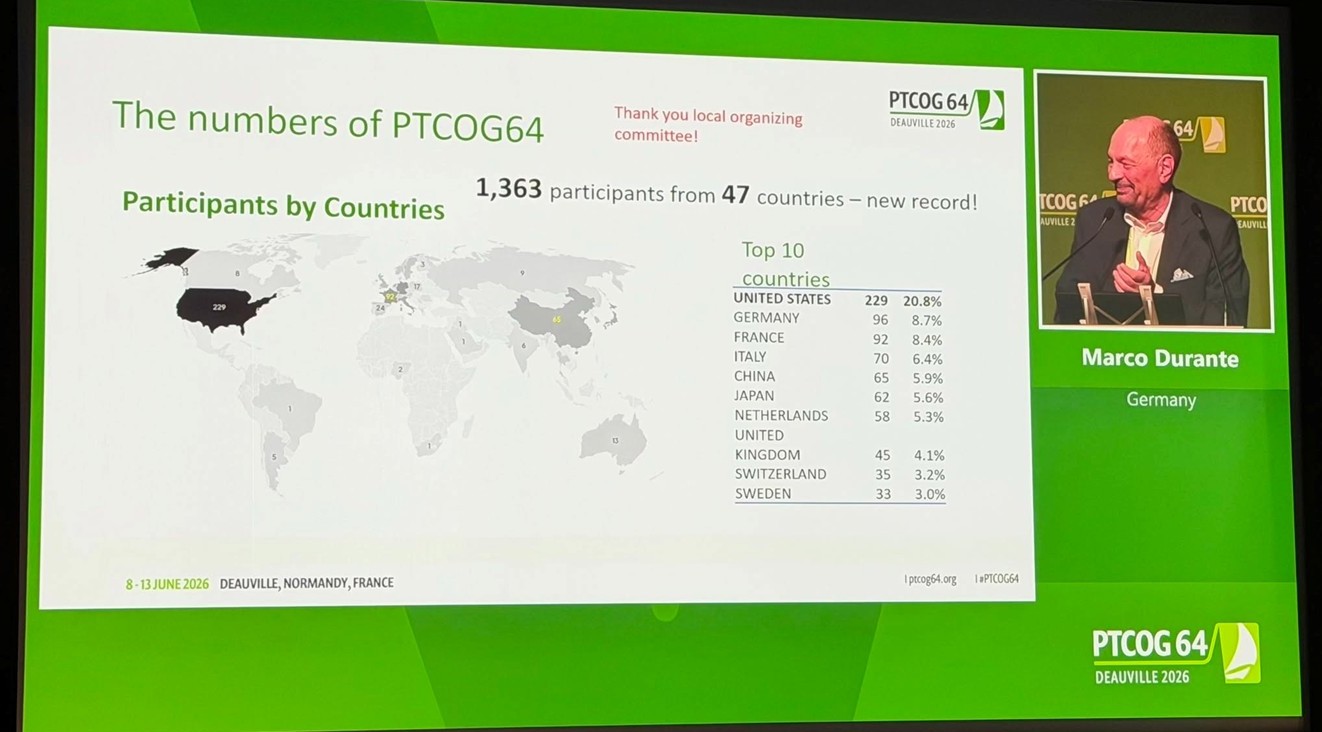
This year’s PTCOG recorded the largest attendance in its history, with a total of 1,363 participants from 47 countries. As I watched the statistics presented during the closing ceremony, it became clear that particle therapy is no longer a highly specialized field limited to a small group of researchers, but has firmly established itself as an important pillar of cancer treatment worldwide. |
|
|
Photo 1. PTCOG 2026 attendance statistics presented during the closing ceremony. The conference recorded its largest-ever attendance, with a total of 1,363 participants. |
|
|
📍China’s Growth: Shifting from Catching Up to Ecosystem Expansion
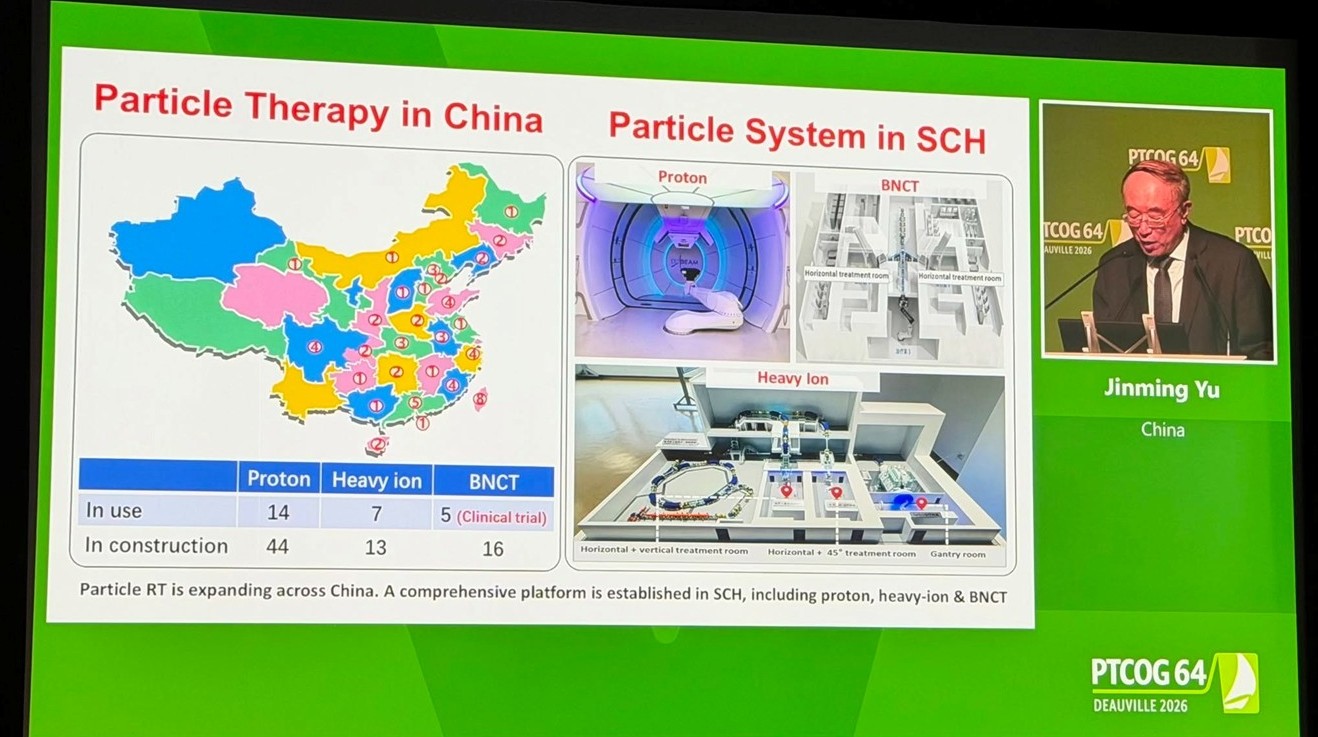
One of the most notable sessions at this year’s conference highlighted the remarkable advancement of particle therapy in China. According to the data shared, China is currently building large-scale infrastructure as follows:
This is not merely quantitative expansion. China is building its own independent ecosystem, covering everything from accelerators and treatment planning systems (TPS) to AI and imaging equipment. This development is expected to have a significant impact on the global particle therapy market in the years ahead. |
|
|
Photo 2. Current status of particle therapy in China, as shown at PTCOG 2026. It was particularly striking that the number of facilities under construction far exceeds the number of facilities currently in operation |
|
|
📍The Democratization of Proton Therapy Is Beginning
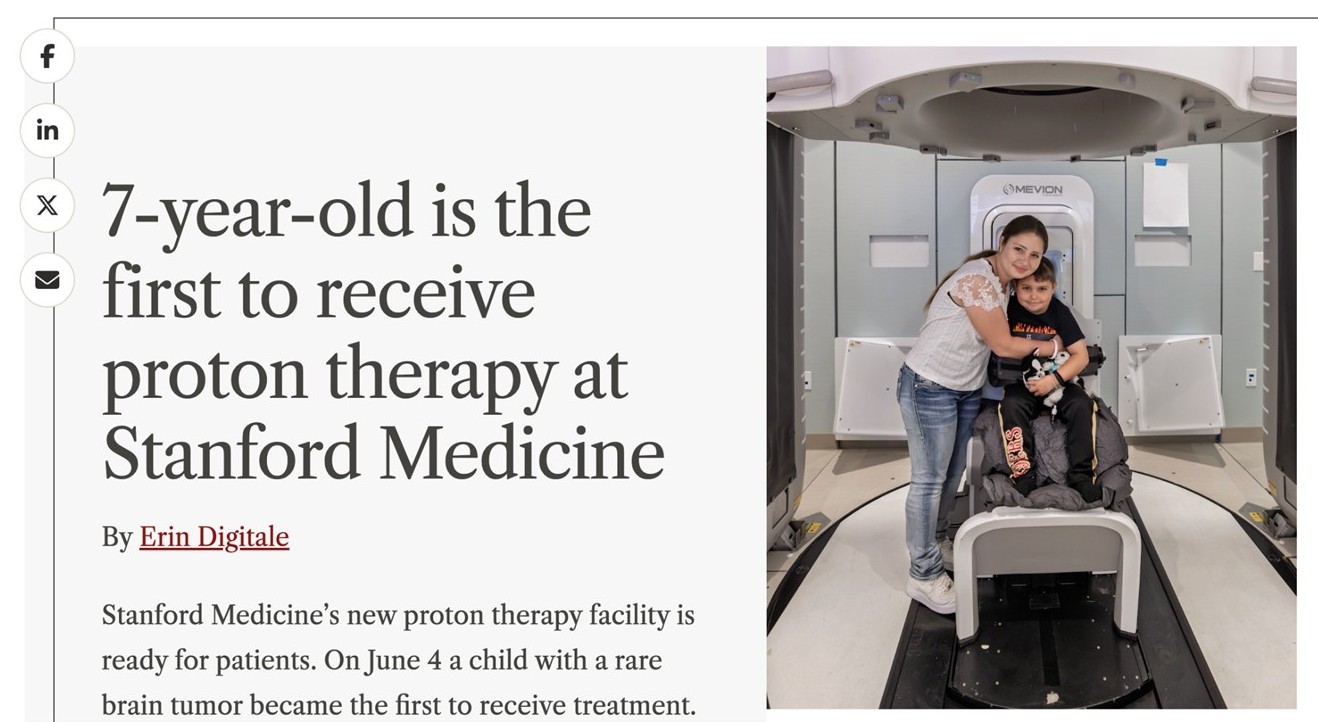
One of the most discussed technical topics at this year’s conference was the ultracompact proton therapy facility at Stanford Medicine. Shortly before the conference, on June 4, 2026, a 7-year-old pediatric brain tumor patient at Stanford received the world’s first clinical treatment using this system.
|
|
|
Conventional proton therapy centers have historically required a site roughly the size of a football field and substantial capital investments (hundreds of billions of KRW). In contrast, the system installed at Stanford was built within a space comparable to a conventional LINAC treatment room. What was particularly interesting was the combination of the Mevion S250-FIT and Leo Cancer Care’s Upright Positioning technology. Instead of using a massive rotating gantry, this system safely rotates the patient, significantly reducing both space requirements and cost. It stands as a pivotal example of infrastructure innovation in proton therapy.
📍AI Is Already Becoming a Core Technology in Particle Therapy
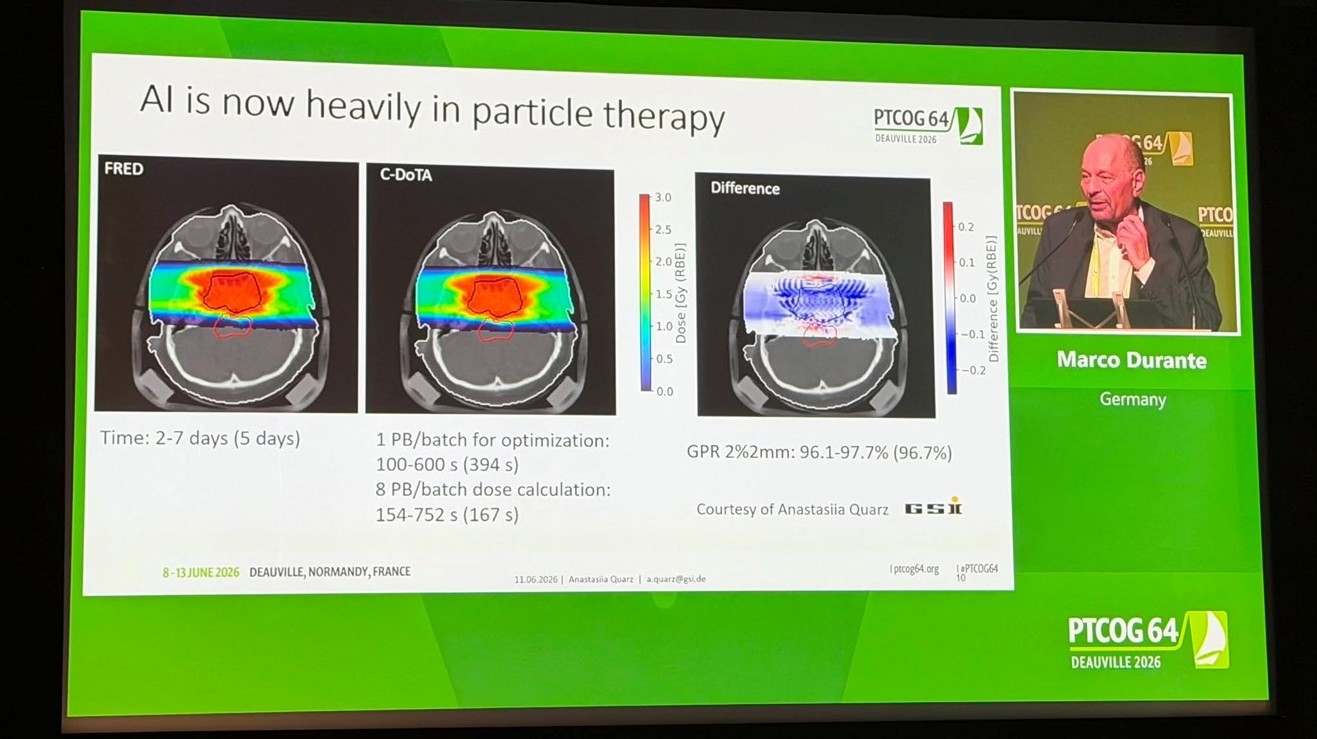
At this year’s PTCOG, there were more AI-related presentations than ever before. AI is no longer limited to simple auto-segmentation; it is moving toward real clinical application in areas such as:
In particular, the German GSI research group drew considerable attention with results showing that complex calculations that previously took several days could be completed within just a few minutes using GPU-based technology. |
|
|
Photo 3. AI-based particle therapy calculation platform introduced at PTCOG 2026 |
|
|
📍As Particle Therapy Becomes More Accessible, Software Will Determine Competitiveness
China’s large-scale expansion, Stanford’s ultracompact proton therapy system, and AI-based automation—the three major changes I observed at this year’s PTCOG all point in one direction: the democratization of particle therapy.
In the past, the greatest challenge was the hardware burden of building massive treatment centers. In the future, however, more hospitals will be able to adopt particle therapy, and more patients will be able to benefit from it. The real challenge begins there. As the number of centers and patients increases, the complexity of treatment planning will also grow, and the demand for operational efficiency will become even greater. Proton and carbon ion therapy involve far more physical and biological variables than conventional radiation therapy, making it especially important to maintain consistent treatment quality.
Ultimately, future competitiveness will shift from “who has the bigger accelerator” to “who can treat patients more efficiently and safely.” At the center of that shift is software.
TPS and OIS systems that can organically connect and automate the entire workflow within a single platform—from patient registration and image management to treatment planning, treatment delivery, adaptive therapy, and data analysis—will become core infrastructure for the operation of particle therapy centers. Most of the innovative AI technologies introduced at the conference will also need to be implemented in clinical practice through such software platforms.
📍The Future Oncosoft Is Preparing For
To proactively respond to this global paradigm shift, Oncosoft is building a next-generation particle therapy platform centered on its independently developed TPS, OncoPlan, and OIS, OncoFlow. In particular, we are focusing all our capabilities on developing a platform that fully supports AI-based automation, adaptive therapy, and integrated workflows in proton and carbon ion therapy environments.
PTCOG 2026 was a meaningful opportunity to clearly see that particle therapy is becoming bigger, closer, and smarter. It also reaffirmed the direction Oncosoft must continue to pursue at the center of this transformation.
Following this year’s meeting in Deauville, France, PTCOG is scheduled to be held in Bangkok, Thailand in 2027, Florida, USA in 2028, and Milan, Italy in 2029. I sincerely hope that this innovative conference will come to Korea in 2030, and I look forward to the day when Oncosoft’s name will stand proudly on the global PTCOG stage.
Lastly, we encourage your continued interest and support for PTCOG-AO (the Asia-Oceania regional conference), which will be held in India this September. |
|
|
|