- [News]
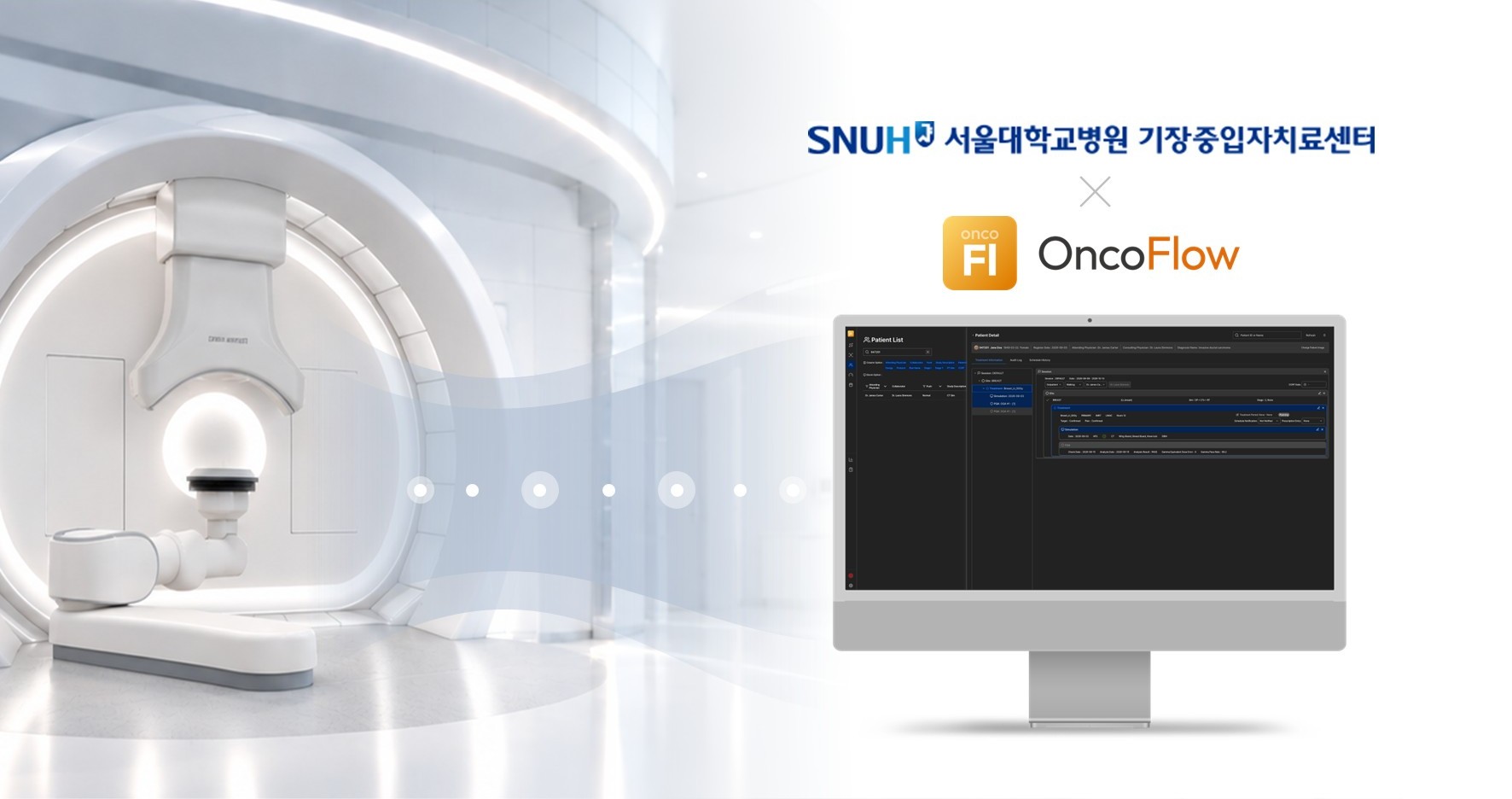
- Oncosoft Secures RT PACS Contract for Seoul National University Hospital's Gijang Heavy Ion Therapy Center
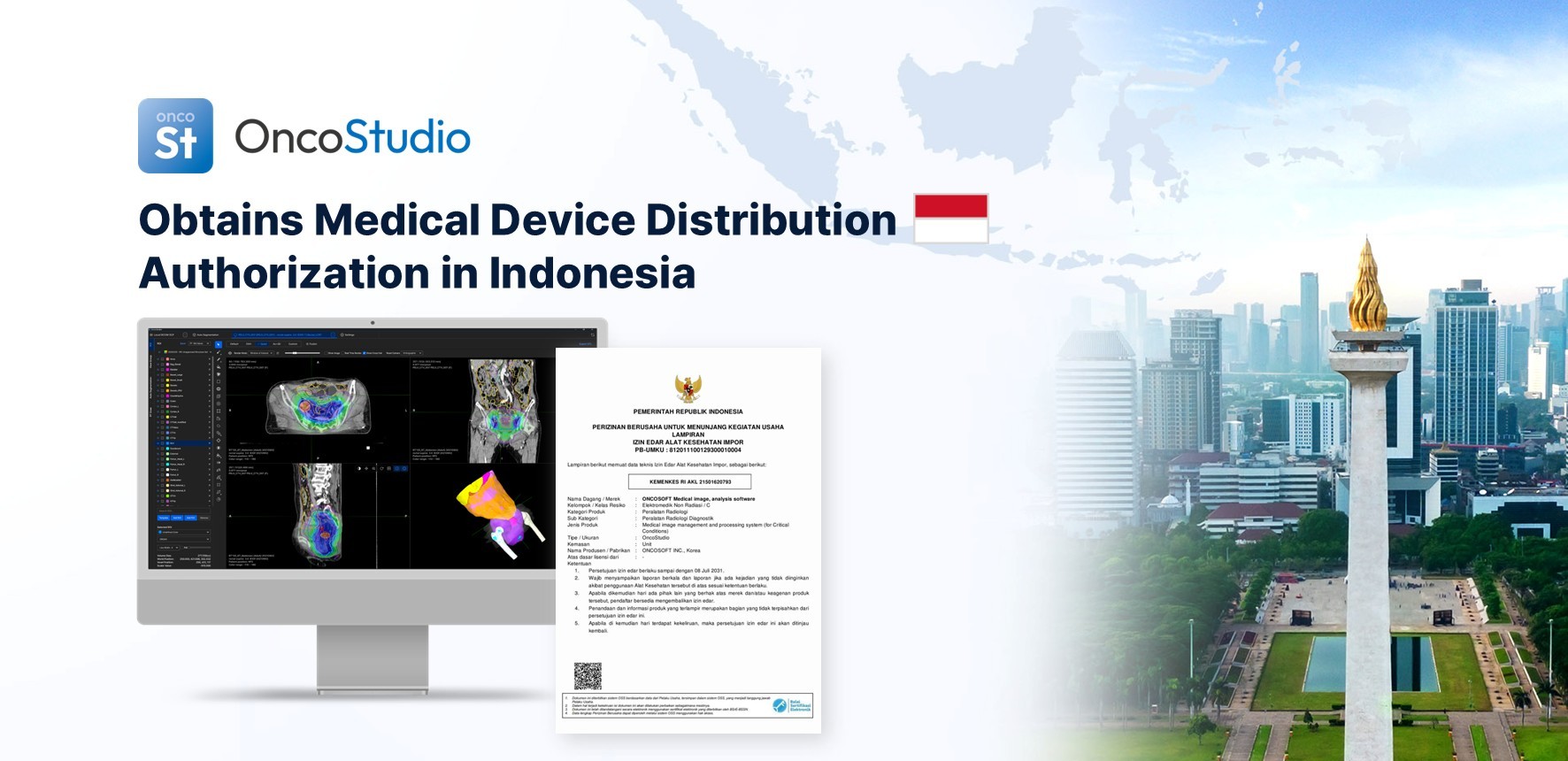
- OncoStudio Obtains Medical Device Distribution Authorization in Indonesia
- Oncosoft Showcases Next-Generation Agentic AI Technologies at ASTRO
2026
- [Overseas Activities]
- Oncosoft Participates in TAMRT 2026
- [Domestic Activities]
- Oncosoft Participates in the 43rd Annual Meeting of KOSRO
- [Upcoming Event]
- The 10th Medical Particle Beam Research Group Meeting and 5th Particle
Radiation Symposium
- JASTRO 2026
- The Inaugural SMC Radiation Oncology Symposium
- The KOSRT Chungcheong–Jeolla Chapter General Meeting
- 2026 Yonsei IMRT Workshop
- [Column]
- News in RadOnc I What a Single Facial Photograph Can Tell Us: Three FaceAge Studies
- CEO Insight I What About Particle Therapy in Korea?
|
|
|
❶ Oncosoft Secures RT PACS Contract for Seoul National University Hospital's Gijang Heavy Ion Therapy Center |
|
|
On October 19, Oncosoft signed a contract with Seoul National University Hospital's Heavy Ion Accelerator Project Team for the Radiation Therapy Picture Archiving and Communication System (RT PACS) project at the Gijang Heavy Ion Therapy Center in Busan. Scheduled to open in the second half of 2027, the center will implement OncoFlow, Oncosoft's radiation therapy data and workflow management platform.
OncoFlow will manage treatment images and planning data while serving as a central hub for data exchange between the hospital's electronic medical record (EMR), treatment planning, and treatment management systems. Key features include a Safety Interlock function that prevents workflows from advancing until required approvals and verification steps are complete, EMR-integrated billing support, and server redundancy to maintain operational continuity.
The contract follows approximately eight months of discussions and technical reviews. Implementation will proceed in phases, including integration testing with treatment equipment before the center opens. The project is expected to support broader adoption of OncoFlow in Korea's particle therapy sector. |
|
|
❷ OncoStudio Obtains Medical Device Distribution Authorization in Indonesia |
|
|
OncoStudio, Oncosoft's AI-powered auto-contouring software, has obtained an imported medical device distribution authorization (Izin Edar Alat Kesehatan Impor) from Indonesia's Ministry of Health. Following regulatory authorizations in the United States, Japan, Singapore, and Brazil, this approval marks another step in the company's international expansion.
The authorization fulfills a key requirement for commercial distribution in Indonesia. Building on product demonstrations and technical discussions with local healthcare institutions, Oncosoft plans to work with its local partner to advance product supply and adoption, further expanding its presence in Southeast Asia. |
|
|
❸ Oncosoft Showcases Next-Generation Agentic AI Technologies at ASTRO 2026 |
|
|
At the 68th Annual Meeting of the American Society for Radiation Oncology (ASTRO 2026), held in Boston from September 26 to 30, Oncosoft presented its latest developments in AI-powered radiation therapy, including OncoStudio and OncoPlan, a next-generation treatment planning system under development.
Under the theme "Agentic AI in Radiotherapy," Oncosoft demonstrated research-stage technologies including Live Target, designed to assist with real-time tumor target delineation, and Contour Guard, which highlights AI-generated contours that may require further review.
The exhibition provided an opportunity to introduce these technologies to radiation oncology professionals worldwide and explore the evolving role of AI in supporting clinical workflows and decision-making. |
|
|
❶ Oncosoft Participates in TAMRT 2026, Exploring Clinical Needs and Opportunities in Taiwan |
|
|
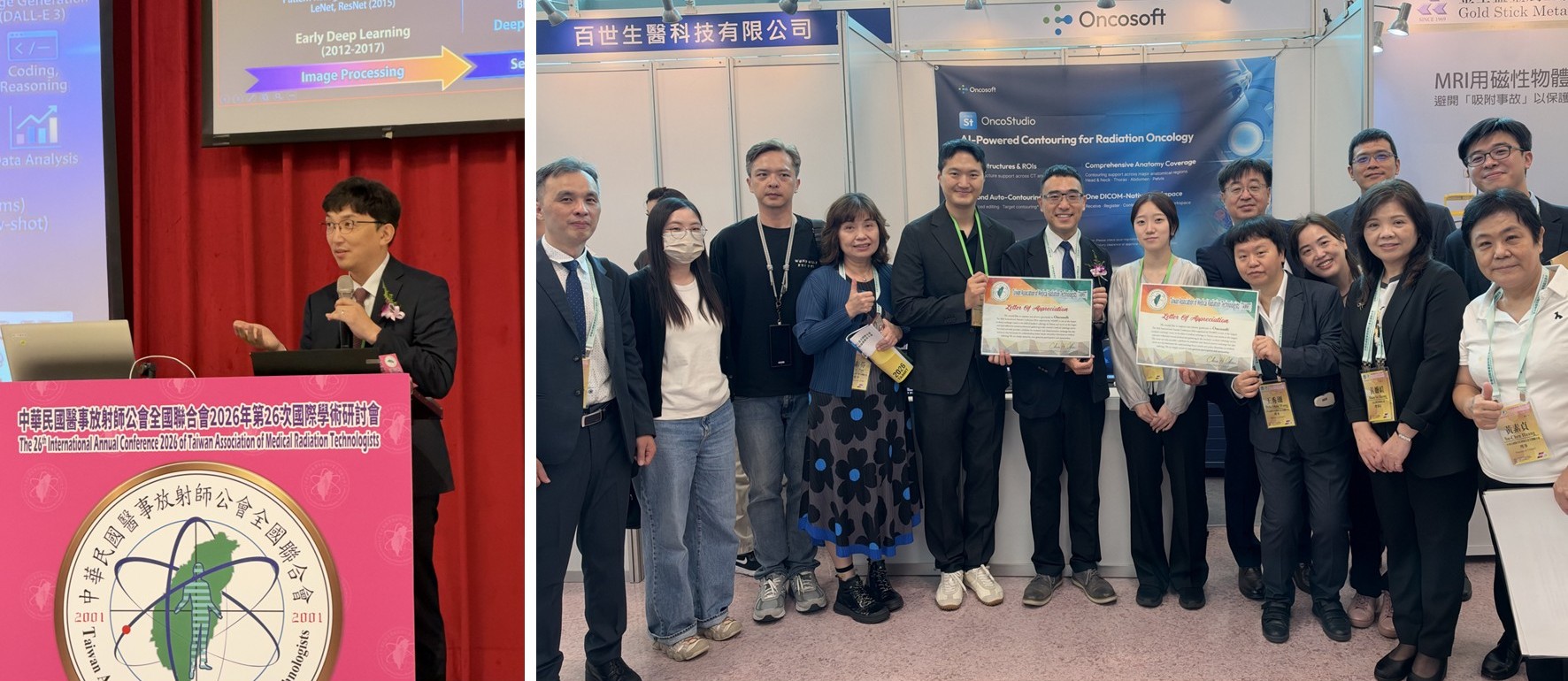
Oncosoft participated in TAMRT 2026, held on October 3 in Taichung, Taiwan, introducing its AI-powered radiation therapy software and engaging with local professionals on practical clinical needs.
The event provided an opportunity to better understand the daily workflows of radiation therapists, from patient positioning to treatment delivery. Interest in Oncosoft's demonstrations among local medical physicists also highlighted opportunities for further collaboration in Taiwan. |
|
|
❶ Oncosoft Participates in the 43rd Annual Meeting of KOSRO |
|
|
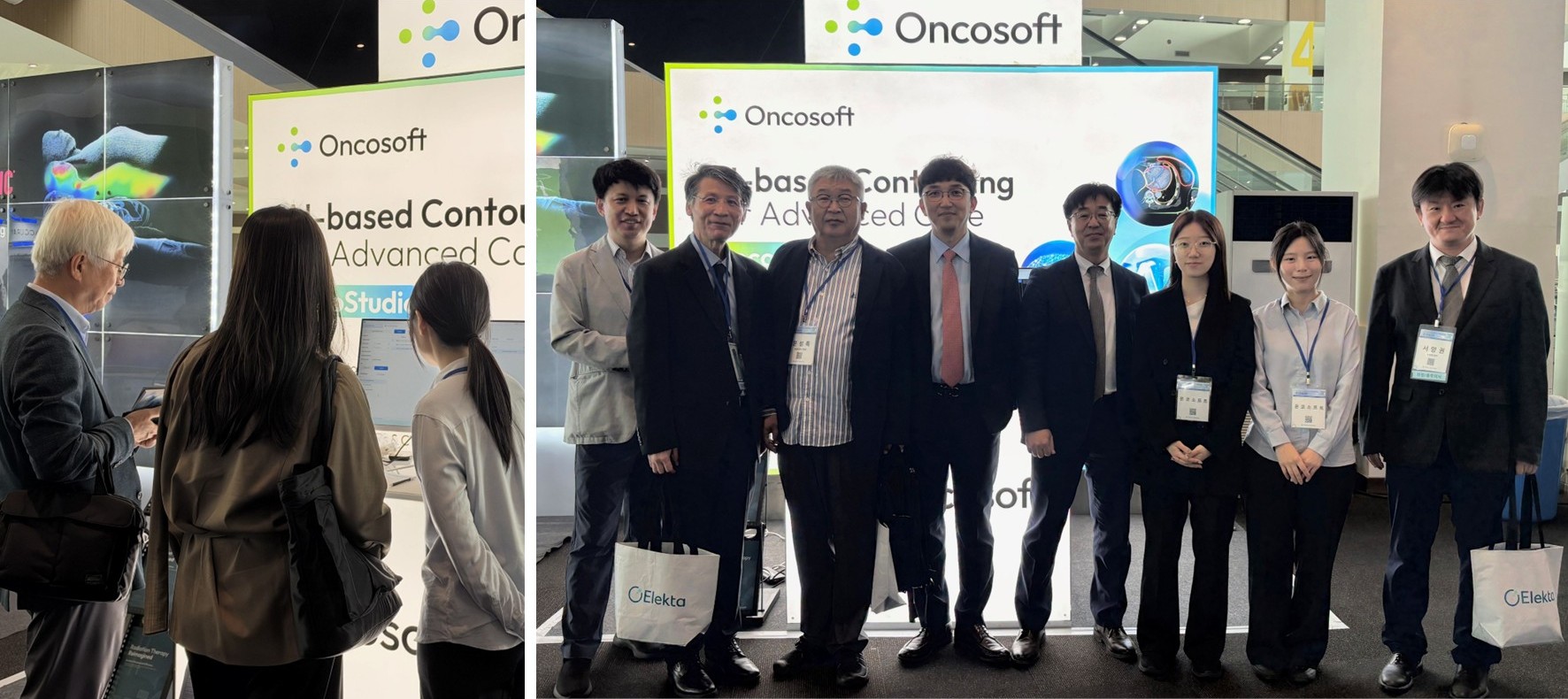
The 43rd Annual Meeting of the Korean Society for Radiation Oncology (KOSRO 2026) took place on October 16 at KINTEX in Goyang, South Korea. Oncosoft exhibited at its own booth, introducing OncoStudio and other radiation therapy software solutions to healthcare professionals from across the country.
As treatment techniques become more advanced, the demand for efficient and accurate clinical workflows continues to grow. During the meeting, Oncosoft demonstrated its solutions and discussed their potential applications in everyday radiation therapy practice. |
|
|
[Overseas] ❶ JASTRO 2026: Oncosoft to Showcase OncoStudio and OncoPlan at Booth #20 |
|
|
The 39th Annual Meeting of the Japanese Society for Radiation Oncology (JASTRO 2026) will take place from November 12 to 14 at Makuhari Messe in Chiba, Japan, under the theme "Blooming Boundaries — Compassion and Innovation: Patient-Centered Radiation Therapy."
Oncosoft will join its local partner, Anzai Medical, at Booth #20 to introduce OncoStudio, its AI-powered auto-contouring software, and OncoPlan, a next-generation treatment planning system currently under development.
The event will provide an opportunity to engage with Japanese radiation oncology professionals, better understand local clinical needs, and explore potential technical and business collaborations. |
|
|
[Domestic] ❶ Oncosoft to Attend the 10th Medical Particle Beam Research Group Meeting and 5th Particle Radiation Symposium |
|
|
|
The 10th Medical Particle Beam Research Group Meeting and 5th Particle Radiation Symposium will take place on November 6–7, bringing together experts to discuss advances in proton and heavy-ion therapy.
Oncosoft plans to exchange views with researchers and healthcare professionals on the development of OncoPlan, its next-generation treatment planning system, and its potential applications in particle therapy. |
|
|
❷ Oncosoft to Attend the Inaugural SMC Radiation Oncology Symposium |
|
|
|
The inaugural SMC Radiation Oncology Symposium will be held on November 20 at Hippocrates Hall (9th floor, Building B), Samsung Life Ilwon Station Building, Seoul.
Oncosoft plans to engage with radiation oncology professionals on recent clinical developments and explore the potential applications of AI-powered software in radiation therapy workflows. |
|
|
❸ Oncosoft to Attend the KOSRT Chungcheong–Jeolla Chapter General Meeting |
|
|
|
The Chungcheong–Jeolla Chapter General Meeting of the Korean Society for Radiation Therapy (KOSRT) will take place on November 21 in Cheongju, South Korea.
Oncosoft looks forward to exchanging insights with regional radiation therapists on clinical workflows, software usability, and the practical needs of healthcare professionals. |
|
|
❹ Oncosoft to Participate in the 2026 Yonsei IMRT Workshop |
|
|
|
The 2026 Yonsei IMRT Workshop will be held on November 28 at Yonsei Cancer Center in Seoul.
The workshop will provide an opportunity to explore recent developments in precision radiation therapy, including the role of AI-powered contouring and treatment planning technologies in supporting efficient and accurate clinical workflows. |
|
|
✅ What a Single Facial Photograph Can Tell Us: Three FaceAge Studies
When I meet an older patient in the clinic for the first time, I often find myself looking at their face before checking their age in the chart. Two patients may both be 78 years old, yet one looks remarkably fit while the other appears frail at first glance.
This kind of impression, often called the "eyeball test," can unconsciously influence decisions about treatment intensity, but it is difficult to quantify. Interestingly, radiation oncology departments already have data that capture this very impression: the facial photographs taken for patient identification on the first day of treatment.
Within about a year, the research group of Raymond Mak and Hugo Aerts at Mass General Brigham published three studies exploring FaceAge, an AI model that estimates biological age from facial photographs.
In this issue, I would like to take a closer look at these three studies.
❶ Reading Age From a Photograph
The first paper describes the development of the FaceAge model (Bontempi D et al. Lancet Digit Health 2025;7:100870). The researchers developed the model using facial photographs of approximately 59,000 individuals aged 60 or older from public datasets, then evaluated it in 6,196 patients with cancer from MAASTRO in the Netherlands and Harvard-affiliated cohorts in the United States. Compared with a reference group without cancer, patients with cancer appeared about five years older than expected on average. Even after adjusting for chronological age, sex, and cancer type, every 10-year increase in FaceAge was associated with approximately a 15% higher risk of death (HR 1.15).
What I found particularly interesting was an experiment in which physicians were asked to predict six-month survival in patients receiving palliative radiation therapy based on their facial photographs. The physicians' predictions alone achieved an area under the curve (AUC) of 0.74. When FaceAge information was added, the AUC increased to 0.80. This suggests that the visual impressions physicians already rely on could be quantified and used to improve prognostic accuracy.
|
|
|
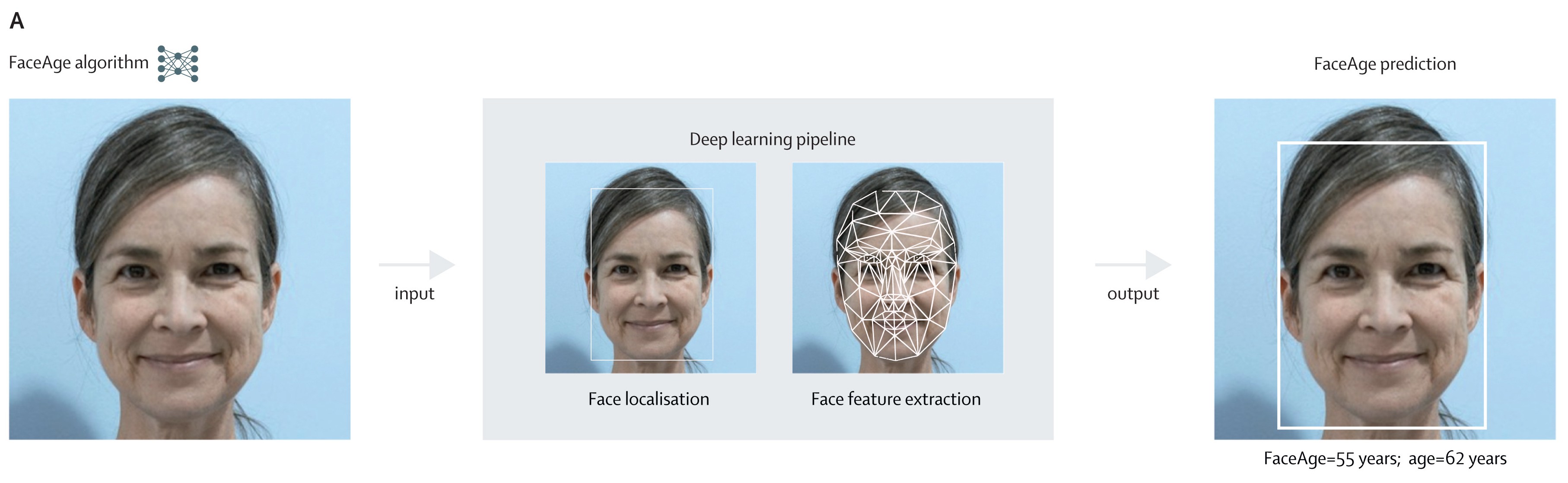
Figure 1. FaceAge analysis workflow. A single facial photograph is used as input. The first convolutional neural network (CNN) detects the facial region, while a second CNN extracts facial features to estimate biological age. In the example shown, the patient is 62 years old but has a FaceAge of 55, suggesting a younger estimated biological age. (Bontempi D et al. Lancet Digit Health 2025;7:100870) |
|
|
❷ What About Patients Receiving Lung SBRT?
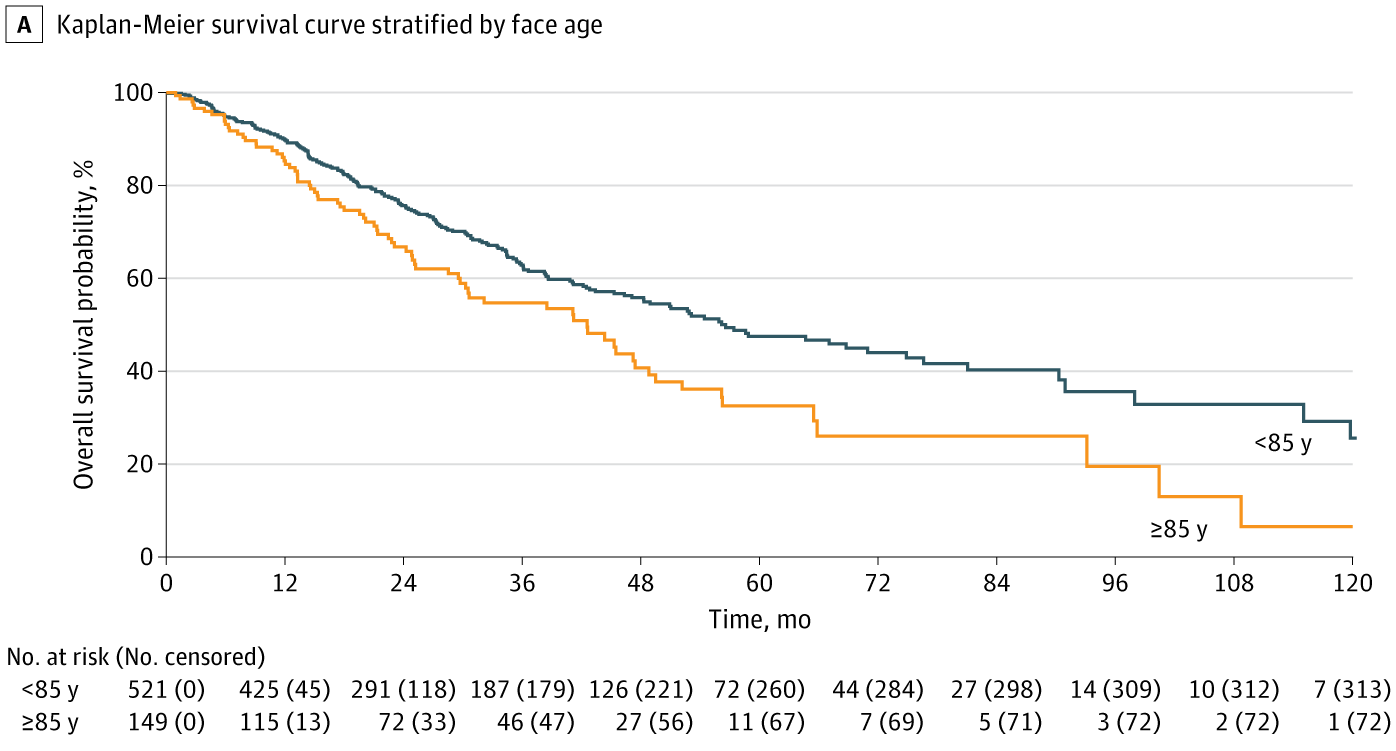
The second paper is particularly relevant to radiation oncology (Lee G et al. JAMA Netw Open 2026;9). The researchers analyzed 670 patients aged 60 or older who received stereotactic body radiation therapy (SBRT) for early-stage non-small cell lung cancer (NSCLC). The median chronological age was 77 years, while the median FaceAge was 79 years. In a multivariable analysis adjusting for sex, ECOG performance status, cancer stage, smoking history, and histology, FaceAge was significantly associated with overall survival, with a hazard ratio of 1.39 per 10-year increase. Chronological age, however, showed no significant association.
A FaceAge of 85 years or older was associated with a 1.59-fold higher hazard of death within two years. Interestingly, while only 17% of the patients were 85 or older by chronological age, 22% fell into this category when assessed using FaceAge.
For older patients being considered for SBRT, I think using a FaceAge threshold of 85 alongside chronological age is a clinically meaningful approach worth exploring. |
|
|
Figure 2. Kaplan-Meier curves for overall survival according to FaceAge in 670 patients aged 60 or older who received SBRT for early-stage NSCLC. Patients with a FaceAge of 85 years or older had significantly lower survival than those with a FaceAge below 85 (log-rank P = .003). (Lee G et al. JAMA Netw Open 2026;9) |
|
|
❸ From One Photograph to Two
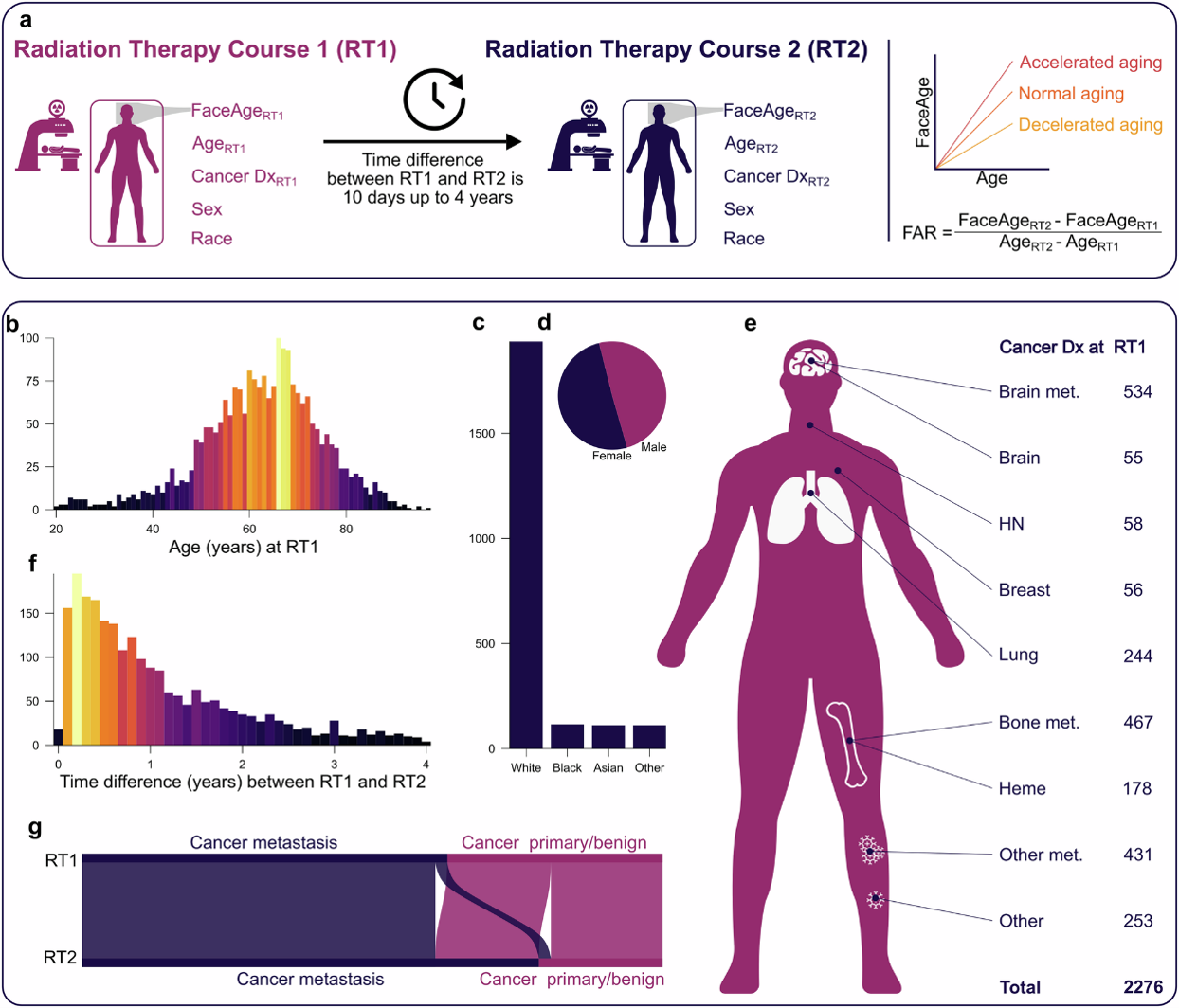
The third paper takes the idea a step further by focusing on the rate of aging (Haugg F et al. Nat Commun 2026;17:3487). In 2,276 patients who received radiation therapy, the researchers used two facial photographs taken up to four years apart to calculate the change in FaceAge relative to the time elapsed. They called this the Face Aging Rate (FAR).
Among patients whose photographs were taken 731 to 1,460 days apart, those with FAR greater than 1, meaning their FaceAge increased faster than chronological time, had significantly lower survival. FAR also provided additional prognostic information beyond a single FaceAge measurement. |
|
|
Figure 3. Overall survival according to Face Aging Rate (FAR). Among patients with two photographs taken 731–1,460 days apart, those with accelerated aging (FAR > 1) had lower survival than those with FAR ≤ 1. (Haugg F et al. Nat Commun 2026;17:3487) |
|
|
FaceAge is publicly available, so several faculty colleagues in our department and I decided to try it ourselves by uploading our own facial photographs. With one exception, all of us received FaceAge estimates that were 10 to 20 years younger than our actual ages.
That was certainly nice to hear, but it also made me wonder about the model's accuracy in people younger than 60 and in Asian populations. Before applying FaceAge to Korean patients, I believe it would need to be properly validated using local patient data.
Still, I think these three studies point to a clear possibility: routine clinical data we have been collecting and storing every day may contain valuable prognostic information that we have not yet learned to use.
(This article was prepared with the assistance of Claude AI and was reviewed and revised by the author.) |
|
|
✅ What About Particle Therapy in Korea?
On October 12, Rep. Park Yong-gap and 10 other members of South Korea's National Assembly introduced a proposed amendment to the Cancer Control Act. The bill would allow the Ministry of Health and Welfare to designate regional proton and heavy-ion therapy centers and provide subsidies or long-term, low-interest loans for equipment installation. It cites national proton therapy programs in the UK and the Netherlands, as well as policy loans offered by Japan's Welfare and Medical Service Agency (WAM), with terms of up to 30 years and annual interest rates of 1–2%. The proposal reflects a shift toward viewing particle therapy as part of the national cancer care infrastructure.
📌1,500 Out of 100,000
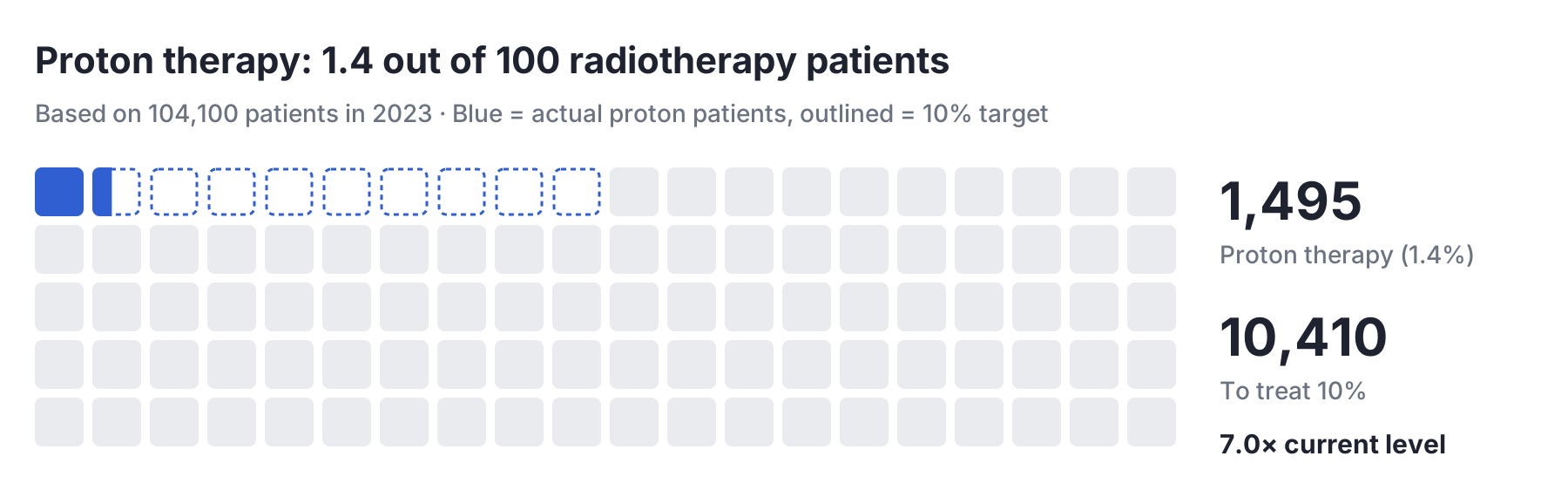
According to the latest statistics compiled by the Korean Society for Radiation Oncology using national health insurance claims data (Kang et al., Radiat Oncol J 2026), the number of patients receiving radiation therapy in Korea reached 104,100 in 2023, exceeding 100,000. Of these, only 1,495 patients, or approximately 1.4%, received proton therapy. This was an increase of just 220 patients from 1,274 in 2019 over five years. The limited growth appears to reflect treatment rooms operating near capacity rather than a lack of demand.
|
|
|
Each cell represents 1% of radiotherapy patients (approx. 1,040 patients in 2023). Source: Kang et al., Radiat Oncol J 2026 (HIRA claims data). |
|
|
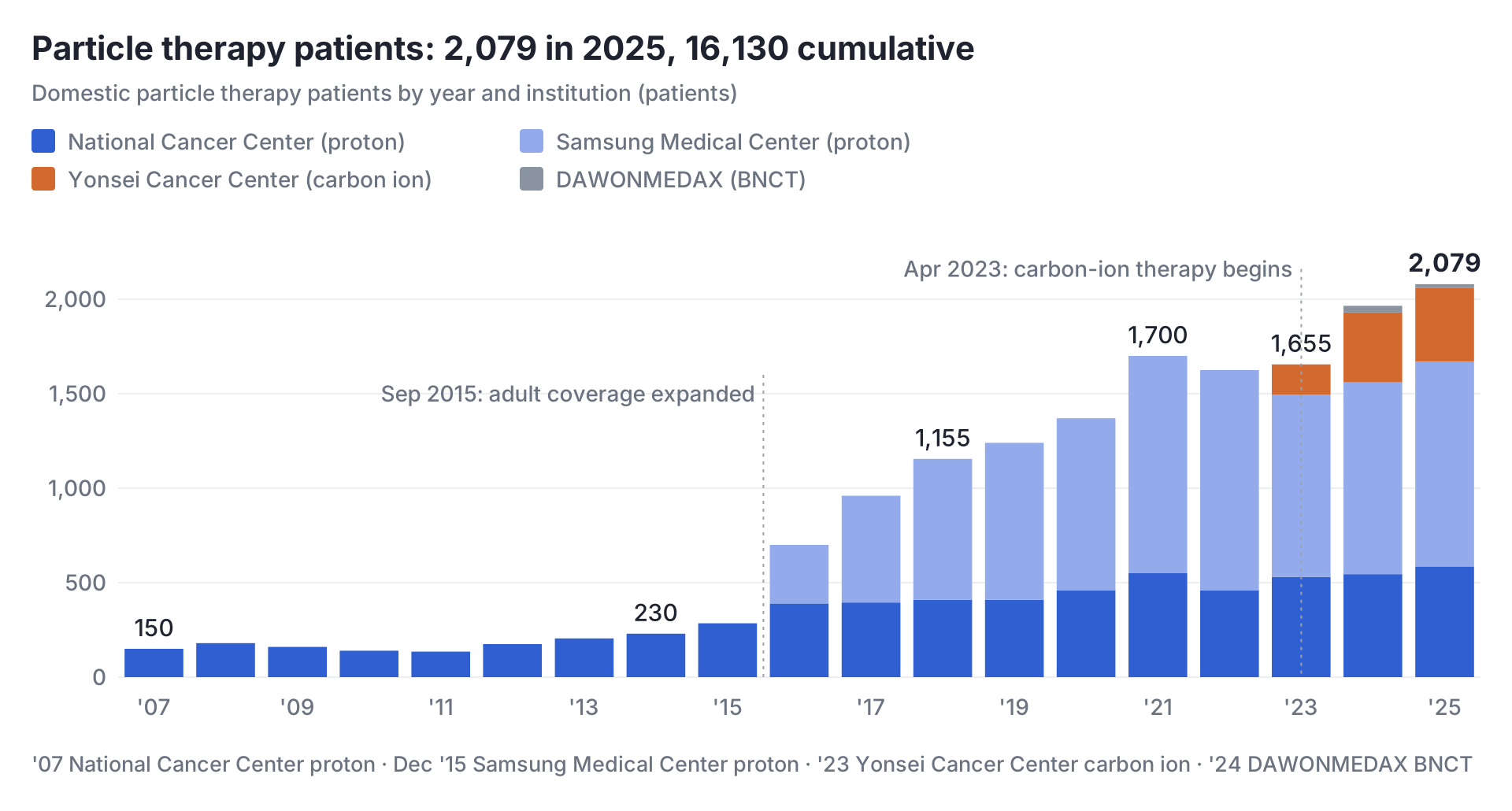
Statistics from the Medical Particle Radiation Research Group show that the annual number of particle therapy patients exceeded 1,000 within three years of the expansion of insurance coverage in 2015 and the opening of Samsung Medical Center's proton therapy facility. After remaining at around 1,600–1,700 since 2021, patient numbers began rising again in 2024 with the addition of heavy-ion therapy at Yonsei Cancer Center. By 2025, the annual number had reached 2,079, with a cumulative total of 16,130 patients. Patient numbers have risen when insurance coverage or treatment capacity has expanded.
|
|
|
Source: Korea Medical Particle Radiation Study Group (compiled Dec 2025). The 2023 proton therapy total of 1,496 patients closely matches the 1,495 patients in HIRA claims data (Kang et al., ROJ 2026). |
|
|
📌What Would It Take to Treat 10%?
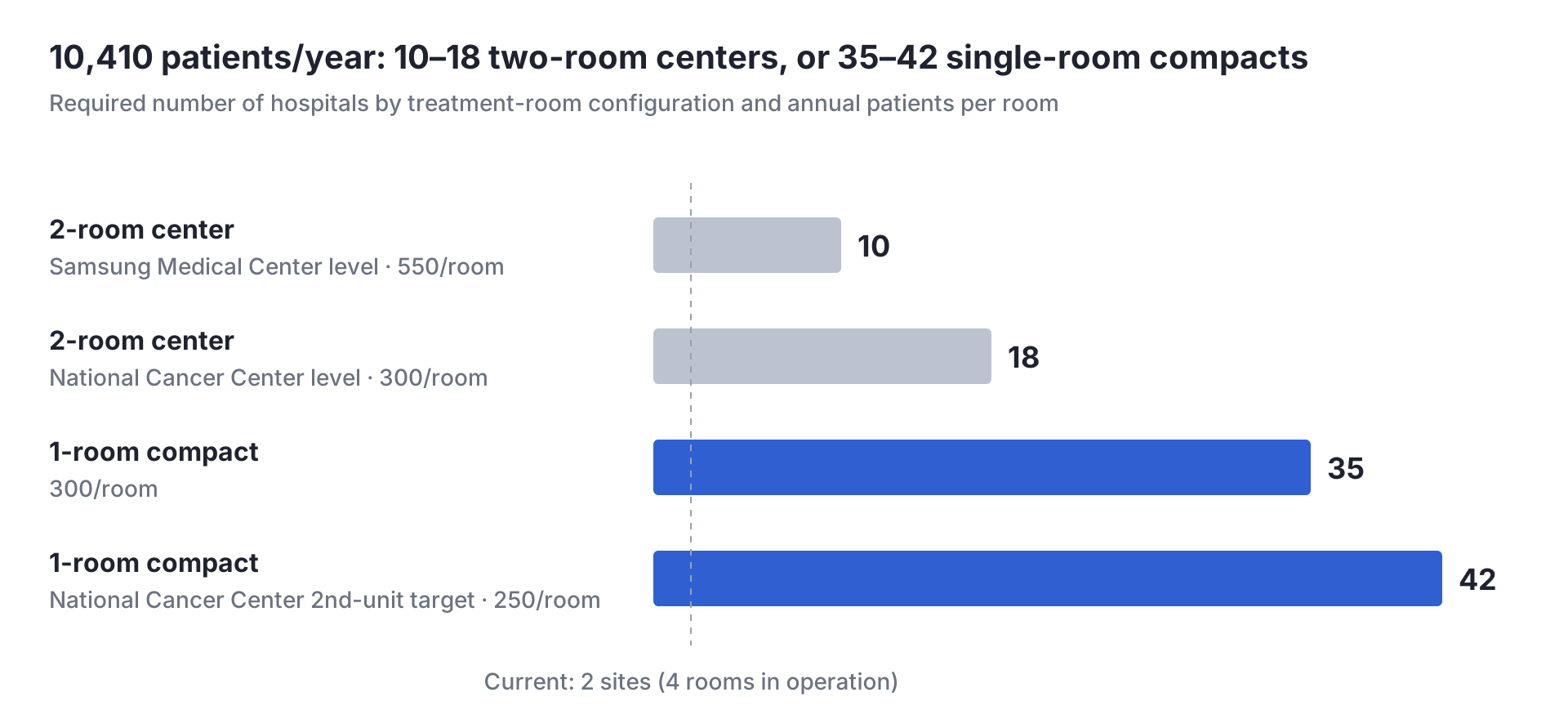
It is often suggested that 10–15% of patients receiving radiation therapy could benefit from proton therapy. At 10%, that would mean approximately 10,000 patients per year. At the National Cancer Center, each treatment room treats around 300 patients annually, based on approximately 600 patients across two operating rooms. Samsung Medical Center treats about 550 patients per room.
At these rates, treating 10,000 patients a year would require 10–18 centers with two treatment rooms each, or 35–42 centers using compact single-room systems. Korea currently has only about two proton therapy centers. The number of patients each treatment room can accommodate matters just as much as the number of centers built. |
|
|
Target = 10% of the 104,100 radiotherapy patients in 2023. Patients per treatment room: National Cancer Center, approx. 600 patients/year (586 in 2025, Korea Medical Particle Radiation Study Group) ÷ 2 operating rooms; Samsung Medical Center, based on 2 operating rooms in 2025 (PTCOG-AO 2026 survey); 250 patients per single-room compact system is the National Cancer Center’s target for its Proteus ONE installation. Required numbers of hospitals are rounded up. |
|
|
📌Is There Enough Demand?
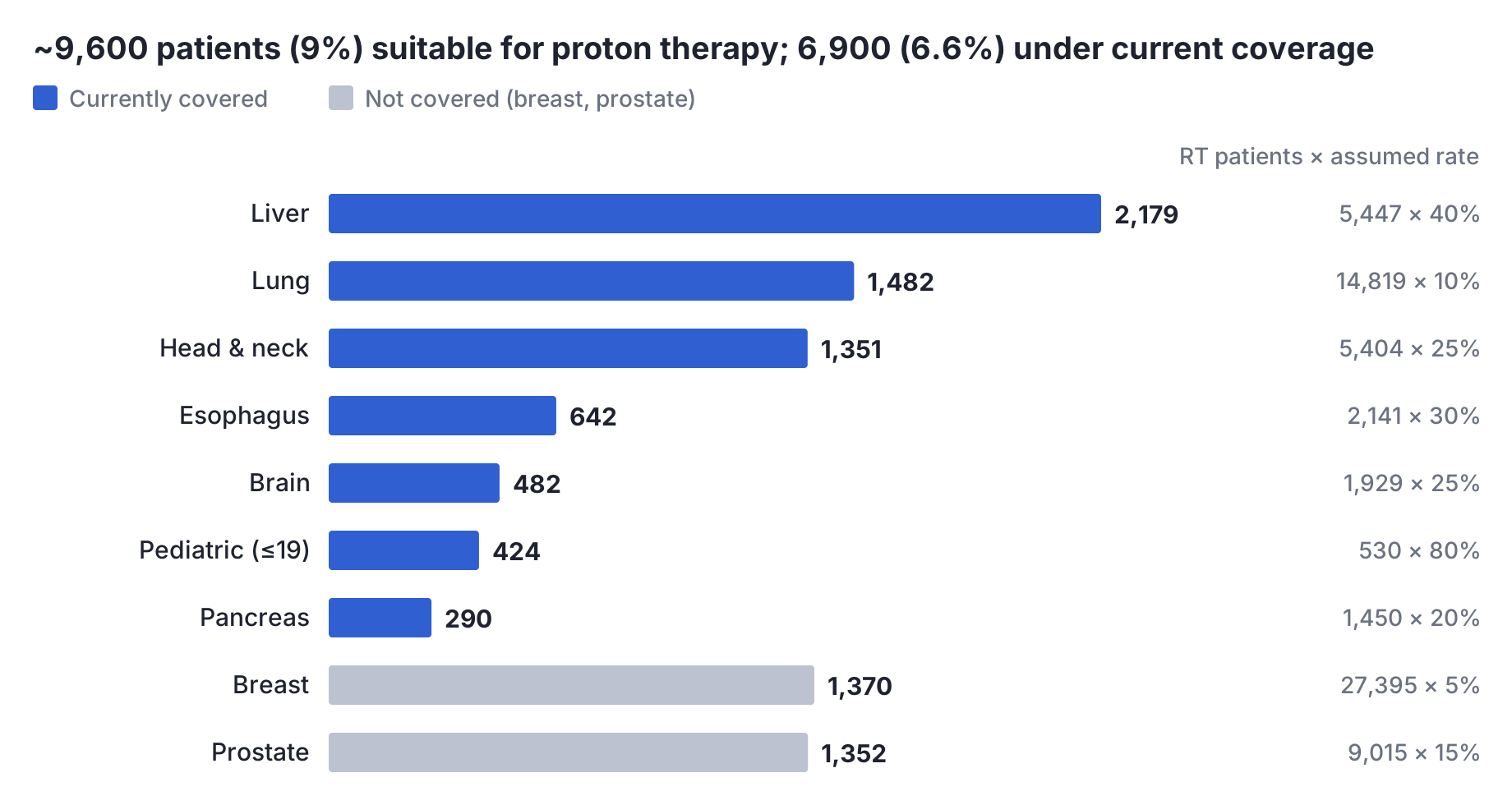
Applying conservative assumptions about proton therapy suitability to radiation therapy patients by cancer type yields an estimated 9,600 potential patients per year, or about 9%.
However, approximately 2,700 of these patients have prostate or breast cancer, which are not currently covered by national health insurance for proton therapy. Under the existing coverage criteria, the estimated proportion would be limited to around 7%. Reaching 10% would therefore require an expansion of insurance coverage. |
|
|
2023 radiotherapy patients by cancer type (Kang et al., ROJ 2026) × proton therapy suitability rate (author’s assumption). Pediatric refers to all radiotherapy patients aged 19 or younger and partially overlaps with brain tumors and other categories. Suitability rates are conservative estimates based on domestic and international indications and clinical experience. |
|
|
📌The Democratization of Proton Therapy
One of the major topics in proton therapy today is the "Democratization of Proton Therapy." The American Association of Physicists in Medicine (AAPM) has a working group dedicated to this goal, covering compact systems, upright treatment, and automated and adaptive treatment planning.
As equipment becomes smaller, more hospitals worldwide are adopting compact single-room proton therapy systems. Examples include the National Cancer Center's second proton therapy system (IBA Proteus ONE) and the MEVION S250-FIT, which is being considered for introduction in Korea.
Upright treatment, which rotates the patient instead of using a large rotating gantry, has also entered clinical practice. Meanwhile, a recent review (Maradia & Bues, 2026) suggests that increasing treatment speed can reduce the cost per patient more effectively than lowering equipment costs alone.
As more hospitals adopt these technologies, proton therapy can become available closer to where patients live. The bill's provision for low-interest loans to medical institutions, rather than only designated centers, also reflects this trend.
📌Could Korea Become One of the Few?
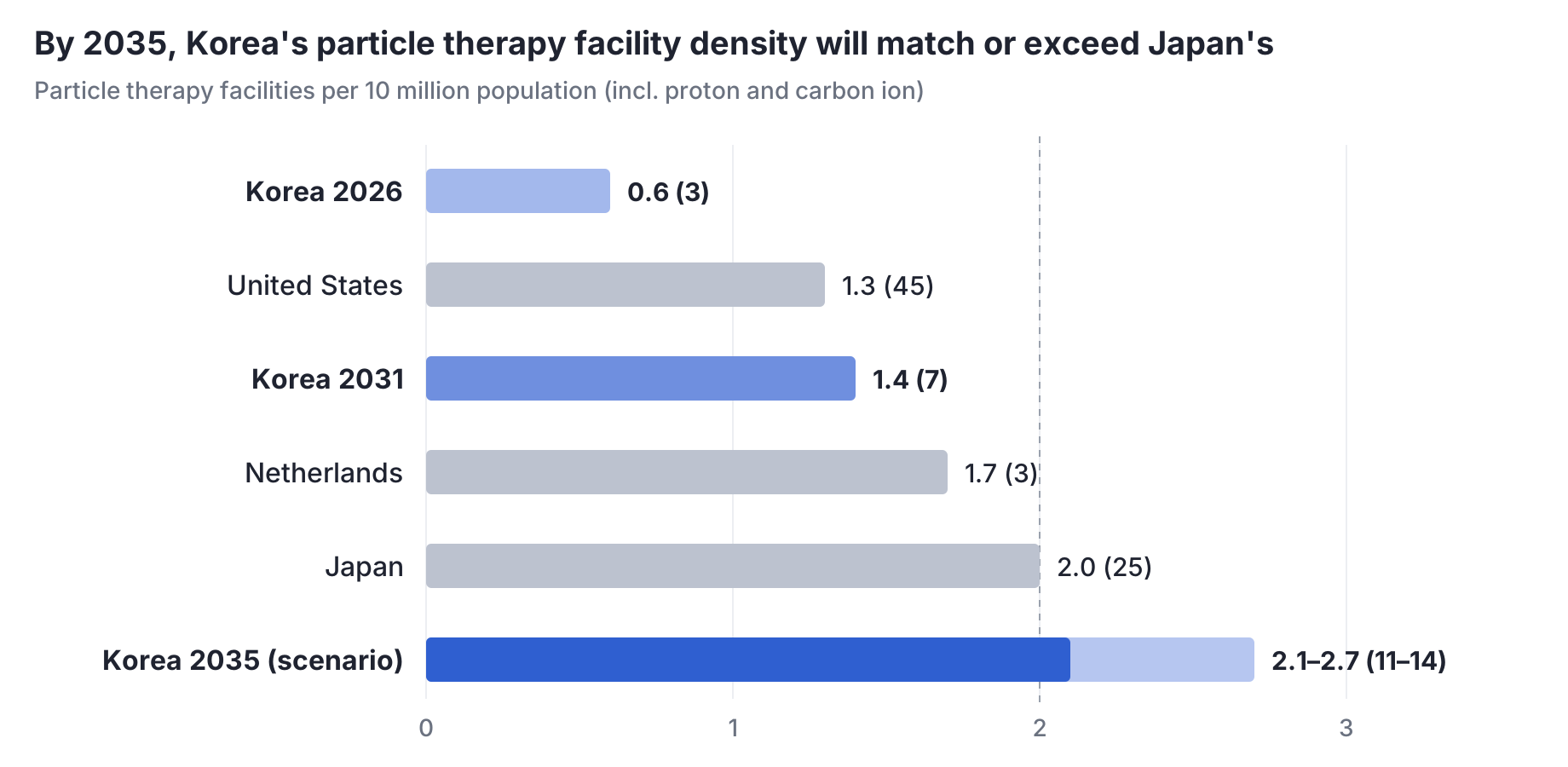
Based on centers already contracted or under construction, the number of particle therapy facilities in Korea is expected to increase from three to seven by 2031. If the number reaches 11–14 by 2035, Korea would have approximately 2.1–2.7 facilities per 10 million people, matching or exceeding Japan's level of around 2.0.
With three heavy-ion therapy centers either operating or planned, Korea would also reach a per-capita level comparable to Japan. Few countries outside Japan have developed such extensive infrastructure for both proton and heavy-ion therapy.
|
|
|
Number of facilities: Japan 25 (Association for Nuclear Technology in Medicine, Oct 2026), United States approx. 45 (Becker’s), Netherlands 3 (Groningen, Delft, Maastricht). Korea 2031 reflects institutions under contract or construction; Korea 2035 is a scenario assuming the legislation takes effect (author’s estimate). Population figures are approximate. |
|
|
The bill's future remains uncertain. Its support provisions are discretionary and focus mainly on equipment installation. Yet operating a particle therapy center also requires ongoing maintenance, operating costs, and, above all, skilled professionals. I hope these needs will be addressed during the legislative review process. If the government moves forward, Korea could become one of the few countries where particle therapy is widely available as a standard treatment option.
I spent two years at the National Cancer Center, seven years at Samsung Medical Center, and am now in my tenth year at Yonsei Cancer Center. Having followed the development of particle therapy in Korea for so many years, I never imagined its expansion would become such a prominent topic of national policy. As more centers open, the first shortages may not be in equipment, but in the people and software needed for treatment planning and quality assurance. For Oncosoft, this could create new opportunities in multi-ion treatment planning, AI-driven automation, quality assurance, and solutions to help regional centers address staffing shortages.
No one can predict the future. This article assumes that 10% of radiation therapy patients could receive proton therapy, but if that figure rises to 20% or 30%, approximately 70 or 105 treatment rooms would be needed. Just imagining that possibility makes me see our work a little differently. That is the future I hope to see: a country where patients can choose particle therapy close to home and the democratization of proton therapy becomes a reality.
References
- 암관리법 일부개정법률안 (박용갑의원 대표발의, 의안 21867, 2026.10.12)
- Kang JK, Jang WI, et al. Radiation therapy statistics in Korea in 2022 and 2023. Radiat Oncol J 2026.
- 의료입자방사선연구회, 국내 입자치료 기관별 환자 수 통계 (2025.12)
- AAPM Working Group on Global Democratization of Proton Therapy Systems (WGDPTS)
- Maradia V, Bues M. Physics-driven innovations toward the democratization of proton therapy. 2026 (arXiv:2604.24704)
- Global democratisation of proton radiotherapy (PubMed 37269856)
- Mevion, Stanford Health Care first clinical treatment on the MEVION S250-FIT (2026.6)
- Mevion, Dana-Farber Cancer Institute to install the MEVION S250-FIT (2026.5)
- 日本の粒子線治療施設の紹介, 公益財団法人 医用原子力技術研究振興財団 (2026.10)
- 45 cancer centers with proton therapy in the US, Becker's Hospital Review
|
|
|
|